
 By mike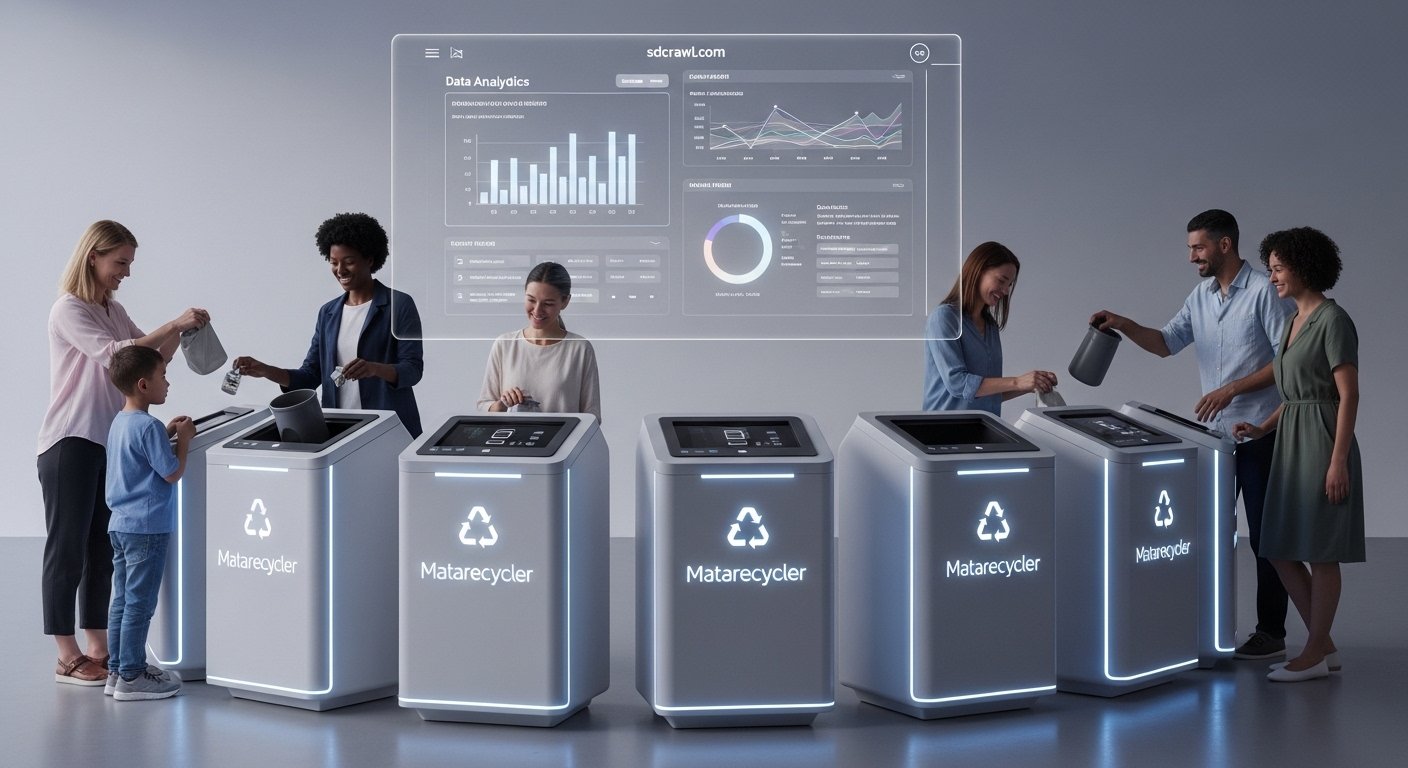
Matarecycler is a modern recycling ecosystem designed to revolutionize waste management through advanced technology and structured community integration. The system represents a transformative approach to managing recyclable materials by combining automation, artificial intelligence, and data-driven insights with sustainable practices. It provides a comprehensive solution to contemporary challenges in waste management, optimizing the collection, sorting, and processing of waste while promoting environmental sustainability.
Introduction to Matarecycler
Recycling has evolved significantly over the past decades. Traditional methods, while effective at a basic level, often struggle to address growing urbanization, population density, and increasing amounts of waste generated daily. Matarecycler addresses these limitations by offering a technologically advanced system capable of automating key processes, minimizing human error, and encouraging active participation from communities.
The system operates as an intelligent ecosystem that integrates sensors, AI-based sorting, real-time data analytics, and community engagement to maximize efficiency and ensure higher recycling rates. By combining technology with environmental responsibility, Matarecycler establishes a sustainable model for waste management suitable for diverse applications, from urban centers to residential communities.
Challenges in Conventional Recycling Systems
Traditional recycling systems face multiple challenges that hinder efficiency and effectiveness:
-
Manual Sorting Errors: Human sorting often results in contamination, reducing the usability of recyclable materials.
-
Limited Public Participation: Many individuals fail to engage consistently in recycling due to lack of awareness or accessibility issues.
-
Inefficient Collection Processes: Standard collection schedules are often rigid, resulting in unnecessary trips, missed pickups, or resource wastage.
-
Data Deficiency: Absence of systematic data tracking prevents accurate monitoring of recycling rates, material recovery, and operational performance.
-
High Operational Costs: Municipalities and organizations incur significant costs managing inefficient recycling programs.
These challenges highlight the necessity for intelligent systems capable of addressing inefficiencies, reducing waste, and improving overall operational performance.
Operational Framework of Matarecycler
Matarecycler integrates advanced technologies to streamline the entire recycling process. Its operational framework can be broadly categorized into four key components: smart collection, AI-based sorting, data-driven management, and community engagement.
1. Smart Waste Collection
Smart collection is the foundational component of Matarecycler. Standard recycling bins are replaced with intelligent containers equipped with sensors that monitor fill levels in real-time. These sensors provide automated notifications to collection teams, ensuring timely pickups and avoiding unnecessary collection trips.
The benefits of smart collection include:
-
Resource Optimization: Reduction in fuel consumption and labor by preventing redundant collection trips.
-
Operational Efficiency: Real-time monitoring ensures that bins are collected promptly, preventing overflow and environmental hazards.
-
Cost Reduction: Automated notifications reduce operational expenses associated with routine monitoring.
By enhancing the collection process, Matarecycler ensures that recyclable materials are handled efficiently and systematically, minimizing the likelihood of contamination and waste mismanagement.
2. AI-Based Sorting Technology
Sorting is a critical stage in the recycling process, as it determines the quality and usability of recovered materials. Matarecycler employs artificial intelligence algorithms to identify, categorize, and separate recyclable materials with high precision. This technology allows for the accurate separation of materials such as plastics, metals, paper, and glass.
Key advantages of AI-based sorting include:
-
Reduced Contamination: Automated sorting minimizes human errors that typically result in contaminated recyclables.
-
Higher Recovery Rates: Increased accuracy ensures that a larger portion of recyclable materials is processed effectively.
-
Time Efficiency: AI-driven sorting significantly reduces the time required compared to manual operations, increasing overall system throughput.
The integration of AI ensures that recycled materials maintain their quality standards, facilitating their reuse in manufacturing and reducing reliance on virgin resources.
3. Data-Driven Waste Management
Data analytics is a central component of Matarecycler. The system collects and analyzes information related to waste generation, recycling volumes, and community participation patterns. These insights allow organizations and municipalities to make informed decisions, optimize resource allocation, and implement continuous improvements.
Applications of data-driven management include:
-
Monitoring Performance: Real-time metrics provide insight into recycling efficiency and material recovery rates.
-
Predictive Planning: Historical data enables accurate forecasting of waste generation trends and collection requirements.
-
Operational Optimization: Data analysis helps identify inefficiencies, adjust collection schedules, and reduce costs.
Through comprehensive data management, Matarecycler transforms waste management from a reactive to a proactive process, enhancing both environmental and operational outcomes.
4. Community Engagement and Participation
While technology is essential, community involvement is equally critical to the success of any recycling program. Matarecycler emphasizes public participation through structured engagement programs, awareness campaigns, and incentive-based initiatives.
Key strategies for community engagement include:
-
Education: Programs that teach proper segregation practices and emphasize the environmental impact of recycling.
-
Incentives: Reward-based systems encourage individuals and businesses to participate consistently.
-
Collaboration: Partnerships with schools, local organizations, and residential communities foster a culture of responsibility and sustainability.
By actively involving communities, Matarecycler ensures that technology complements human behavior rather than replacing it, resulting in sustainable and long-lasting waste management practices.
Key Features of Matarecycler
Matarecycler differentiates itself through a combination of technological innovation, environmental focus, and operational scalability:
-
Advanced Sensor Technology: Smart bins with automated notifications.
-
Artificial Intelligence Integration: High-precision sorting of recyclables.
-
User-Friendly Interface: Simple systems accessible to organizations, municipalities, and individuals.
-
Sustainability Focus: Emphasis on reducing landfill waste and conserving natural resources.
-
Scalable Design: Adaptable for small communities, large cities, and corporate environments.
These features enable Matarecycler to operate effectively in diverse settings while maintaining a strong focus on efficiency and environmental responsibility.
Benefits of Implementing Matarecycler
The adoption of Matarecycler provides multiple advantages, including environmental, operational, and social benefits:
1. Environmental Sustainability
By ensuring accurate sorting and higher recycling rates, Matarecycler reduces landfill accumulation, lowers greenhouse gas emissions, and conserves natural resources. The system supports circular economy principles, allowing materials to be reused rather than discarded.
2. Cost Efficiency
Optimized collection and AI-driven sorting reduce labor, transportation, and operational expenses, making recycling programs more financially sustainable for municipalities and organizations.
3. Increased Recycling Volumes
Automated sorting and enhanced community participation ensure that a greater portion of recyclable materials is recovered, contributing to higher overall recycling rates.
4. Cleaner Urban and Residential Areas
Proper waste management reduces litter, prevents overflow, and improves the aesthetic and environmental quality of neighborhoods, enhancing public health and safety.
Integration with Smart City Initiatives
Matarecycler aligns with the principles of smart cities, which focus on leveraging technology for sustainable urban development. The system integrates seamlessly with smart city infrastructure through:
-
Real-Time Monitoring: Continuous observation of waste collection and bin fill levels.
-
Data Analytics: Informing urban planners and policymakers about waste trends and recycling performance.
-
Automation: Reducing human intervention while maintaining efficiency and accuracy.
By supporting smart city initiatives, Matarecycler contributes to cleaner, more efficient, and technologically advanced urban environments.
Implementation Challenges
Despite its numerous benefits, implementing Matarecycler may encounter certain challenges:
-
Initial Capital Investment: Establishing sensor-equipped bins, AI systems, and analytics platforms requires upfront expenditure.
-
Public Awareness and Engagement: Effective participation depends on educating individuals about proper usage and the importance of recycling.
-
Infrastructure Limitations: Areas with limited technology infrastructure may face slower adoption rates.
However, the long-term operational, financial, and environmental benefits significantly outweigh these initial barriers, making Matarecycler a viable and forward-looking solution.
Applications Across Different Sectors
Matarecycler is versatile and can be deployed in various environments:
-
Urban Municipalities: Optimizes city-wide waste collection, reduces operational costs, and increases recycling efficiency.
-
Corporate Offices: Manages office waste systematically and integrates sustainability initiatives into organizational practices.
-
Educational Institutions: Encourages recycling awareness among students and staff through structured programs and incentives.
-
Residential Communities: Provides an organized system for household waste segregation and collection, improving participation and reducing contamination.
Its adaptability ensures that Matarecycler can meet the needs of multiple sectors while maintaining consistency in operational performance.
Future Prospects of Intelligent Recycling
The future of waste management is increasingly intelligent and automated. Matarecycler represents the next step in this evolution by integrating smart technology, data analytics, and community engagement. Anticipated future developments include:
-
Enhanced AI Sorting Capabilities: Increasing precision and speed for processing larger volumes of waste.
-
Greater Automation in Collection: Advanced robotics and automated vehicles for waste transport.
-
Expanded Global Adoption: Scalable systems being implemented worldwide for improved environmental outcomes.
-
Integration with Other Smart Systems: Linking waste management with energy management, water systems, and urban planning to create a fully connected sustainable infrastructure.
As these innovations continue, Matarecycler is positioned to become a standard in intelligent waste management and a benchmark for sustainable urban practices.
Conclusion
Matarecycler is an advanced, intelligent recycling ecosystem designed to optimize waste management in modern urban and residential environments. By combining AI-driven sorting, smart waste collection, data analytics, and community participation, it addresses the inefficiencies of traditional recycling systems. The system provides measurable benefits, including environmental sustainability, operational cost reduction, increased recycling rates, and cleaner communities.
Through scalable deployment, technological integration, and community engagement, Matarecycler represents a sustainable solution for current and future waste management challenges. It establishes a model for intelligent, data-driven, and environmentally responsible recycling practices, aligning with the global movement toward sustainable development and smart urban infrastructure.