
 By mike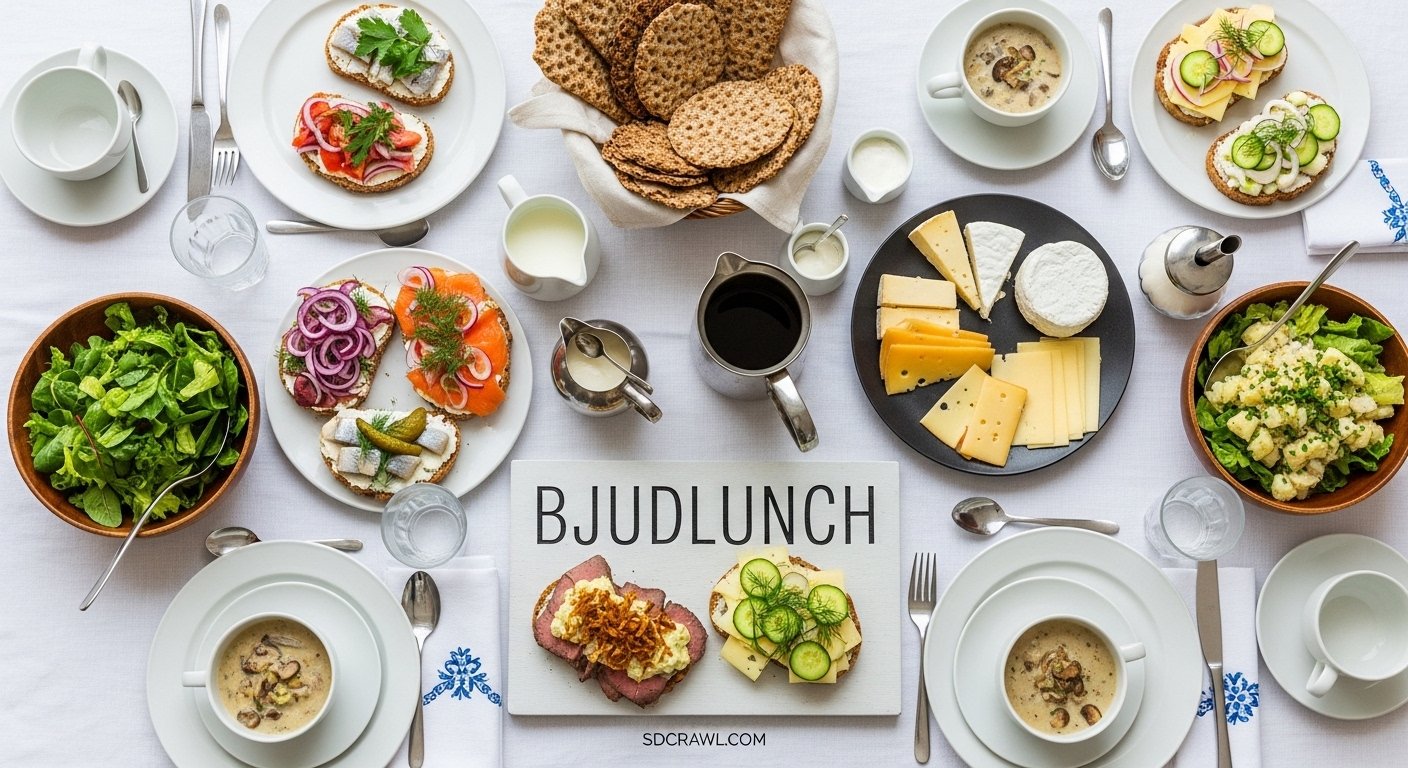
Food has always played a central role in bringing people together, and in Sweden, one tradition stands out for its warm and welcoming nature—bjudlunch. The word itself combines the idea of inviting someone and sharing a meal, creating a social experience that goes beyond simply eating lunch. In Swedish culture, a bjudlunch is not just about food; it is about connection, hospitality, and meaningful conversation.
Over time, bjudlunch has evolved into a beloved social custom practiced in homes, offices, and community gatherings. Whether it involves friends catching up, colleagues collaborating, or neighbors strengthening relationships, this tradition continues to foster unity. Moreover, the simplicity of Swedish cuisine makes the experience comfortable and accessible for everyone.
As modern lifestyles become busier, traditions like bjudlunch remind people of the importance of slowing down and sharing moments together. In this article, we will explore the origins of bjudlunch, its cultural significance, common foods served, hosting tips, and ways to adapt the tradition to modern life.
The Meaning Behind Bjudlunch
The term bjudlunch comes from Swedish roots, where “bjud” refers to inviting someone and “lunch” represents the midday meal. Together, the word expresses the act of inviting others to share lunch in a friendly and welcoming manner. Unlike formal dinners, bjudlunch is typically relaxed and informal.
This tradition reflects Sweden’s cultural emphasis on equality and simplicity. Everyone at the table shares the same experience, and there is no pressure to create extravagant dishes. Instead, the focus remains on hospitality and conversation. As a result, people often feel comfortable hosting and attending these gatherings.
Additionally, bjudlunch supports the Swedish idea of balance in daily life. Lunch is treated as an important break rather than a rushed meal. By inviting others to join, the host creates an environment that encourages social interaction and mutual respect.
Historical Roots of the Tradition
Bjudlunch has its origins in Sweden’s rural communities, where neighbors often relied on each other for support. During harvest seasons and busy farming periods, families would invite others to share meals as a sign of gratitude and cooperation. These gatherings allowed people to exchange news, discuss plans, and strengthen relationships.
As Sweden modernized, the tradition moved into urban settings. Office workers and city residents began adopting the concept of inviting colleagues or friends for lunch. Although lifestyles changed, the core values of generosity and togetherness remained the same.
Over the years, Swedish workplaces also embraced the idea of shared meals as a way to improve teamwork. Informal lunches became opportunities to discuss ideas and build trust among employees. Consequently, bjudlunch grew into both a cultural and professional practice.
Today, the tradition continues to thrive in various forms. From small home gatherings to workplace lunches, the spirit of inviting others to share food remains deeply rooted in Swedish culture.
Cultural Importance of Bjudlunch
Bjudlunch holds cultural importance because it represents hospitality and social harmony. In Sweden, inviting someone to lunch shows kindness and respect. It also demonstrates a willingness to share time and resources with others.
Furthermore, this tradition strengthens community bonds. When people gather around a table, they create opportunities for meaningful conversations. These interactions often lead to deeper friendships and better understanding between individuals.
Another cultural value reflected in bjudlunch is equality. Everyone is welcomed regardless of background or status. This sense of inclusion makes the experience enjoyable for participants of all ages.
In addition, Swedish society values moderation and balance. Bjudlunch aligns with these principles by promoting simple yet satisfying meals. Rather than focusing on luxury, the emphasis remains on comfort and companionship.
Typical Foods Served at a Bjudlunch
Food plays a key role in making a bjudlunch enjoyable, yet the dishes are usually simple and practical. Swedish cuisine emphasizes fresh ingredients and balanced flavors. As a result, meals are both nourishing and easy to prepare.
Common foods served during a bjudlunch include:
- Open-faced sandwiches topped with cheese, fish, or vegetables
- Fresh salads made with seasonal ingredients
- Soups, especially during colder months
- Boiled potatoes served with herbs or butter
- Cold cuts and cheeses arranged on platters
- Homemade bread or crispbread
- Light desserts such as fruit or pastries
These dishes are often served buffet-style, allowing guests to choose what they like. This approach makes the meal flexible and reduces pressure on the host.
Moreover, beverages such as coffee or tea are commonly served after lunch. In Sweden, enjoying coffee together is an essential social activity, and it naturally complements the bjudlunch experience.
How to Host a Successful Bjudlunch
Hosting a bjudlunch does not require extensive preparation, but thoughtful planning can make the gathering more enjoyable. By following a few simple steps, anyone can create a welcoming environment.
Plan a Simple Menu
Choose dishes that are easy to prepare and serve. Avoid complicated recipes that may cause stress. Instead, focus on fresh and familiar foods that guests will enjoy.
Create a Comfortable Atmosphere
Arrange seating so that guests can easily interact with one another. A relaxed environment encourages conversation and helps everyone feel at ease.
Send Friendly Invitations
Invitations can be casual, whether delivered in person or through messages. The goal is to make guests feel valued and welcomed.
Prepare in Advance
Cooking ahead of time allows the host to spend more time with guests. This approach ensures that the gathering remains social rather than stressful.
Encourage Conversation
Ask open-ended questions and show interest in guests’ experiences. Meaningful discussions are a central part of the bjudlunch tradition.
By following these steps, hosts can create memorable experiences that reflect the true spirit of Swedish hospitality.
Bjudlunch in the Workplace
In modern Sweden, workplaces often organize shared lunches to strengthen teamwork. These gatherings create opportunities for colleagues to connect outside formal meetings. As a result, communication improves, and relationships become stronger.
A workplace bjudlunch may involve employees bringing homemade dishes to share. This approach allows everyone to contribute while reducing costs. Additionally, it introduces participants to a variety of flavors and cooking styles.
Such lunches also encourage collaboration. When employees interact in relaxed settings, they feel more comfortable sharing ideas. Consequently, creativity and productivity often increase.
Furthermore, workplace bjudlunch events can celebrate achievements or mark special occasions. Whether welcoming new employees or recognizing milestones, shared meals create positive memories.
Health and Social Benefits
Participating in a bjudlunch offers several benefits for both physical and emotional well-being. First, sharing meals encourages balanced eating habits. Homemade dishes typically contain fresh ingredients, making them healthier than fast food.
Second, social interaction plays a vital role in mental health. Spending time with others reduces feelings of isolation and strengthens emotional connections. Regular gatherings help individuals maintain supportive relationships.
Additionally, taking a break for lunch improves focus and productivity. Instead of rushing through meals, participants enjoy a moment of relaxation. This balance between work and rest supports overall wellness.
Moreover, group meals provide opportunities to learn new recipes and explore different flavors. As people share cooking tips, they develop skills that contribute to healthier lifestyles.
Modern Variations of Bjudlunch
While traditional bjudlunch gatherings often take place at home or work, modern lifestyles have introduced new variations. Today, people adapt the tradition to suit their schedules and preferences.
For example, some hosts organize outdoor lunches in parks or gardens. These settings create a refreshing atmosphere and encourage relaxation. Others arrange themed lunches featuring specific cuisines or seasonal ingredients.
Digital communication has also influenced the tradition. Invitations are now commonly sent through messaging apps, making it easier to coordinate schedules. Additionally, virtual lunches have emerged as a creative solution for remote teams.
Despite these changes, the core purpose of bjudlunch remains the same. It continues to bring people together through shared meals and friendly conversations.
Tips for Guests Attending a Bjudlunch
Guests also play an important role in making the gathering successful. Showing appreciation and participating actively enhances the overall experience.
Here are some helpful tips:
- Arrive on time to respect the host’s efforts
- Offer to bring a small dish or beverage
- Engage in conversations and listen attentively
- Express gratitude after the meal
- Assist with cleanup if possible
These simple actions demonstrate respect and strengthen relationships. In Swedish culture, mutual support is highly valued, and guests often contribute to maintaining harmony.
Why Bjudlunch Matters Today
In today’s fast-paced world, people often struggle to find time for meaningful interactions. Bjudlunch offers a solution by encouraging regular social gatherings. Even a simple lunch can create lasting memories and deepen connections.
Furthermore, the tradition promotes cultural awareness. As people share recipes and stories, they learn about different lifestyles and traditions. This exchange fosters understanding and respect among communities.
Bjudlunch also supports sustainable living. Preparing meals at home reduces waste and encourages mindful consumption. In addition, sharing food prevents unnecessary leftovers and promotes resourcefulness.
Ultimately, the tradition reminds individuals that relationships are built through shared experiences. A welcoming lunch table becomes a space where friendships grow and communities thrive.
Conclusion
Bjudlunch stands as a beautiful example of how simple traditions can create meaningful connections. Rooted in Swedish culture, this social lunch practice emphasizes hospitality, equality, and togetherness. Through shared meals, people strengthen relationships and celebrate the joy of community.
From its historical origins in rural villages to its modern presence in workplaces and homes, bjudlunch continues to evolve while maintaining its core values. The simplicity of the dishes and the warmth of the atmosphere make it accessible to anyone willing to invite others to the table.
In a world where schedules are often crowded, taking time to host or attend a bjudlunch offers valuable moments of connection. Whether enjoyed with friends, family, or colleagues, this tradition reminds us that sharing food is one of the most powerful ways to build lasting bonds.