
 By mike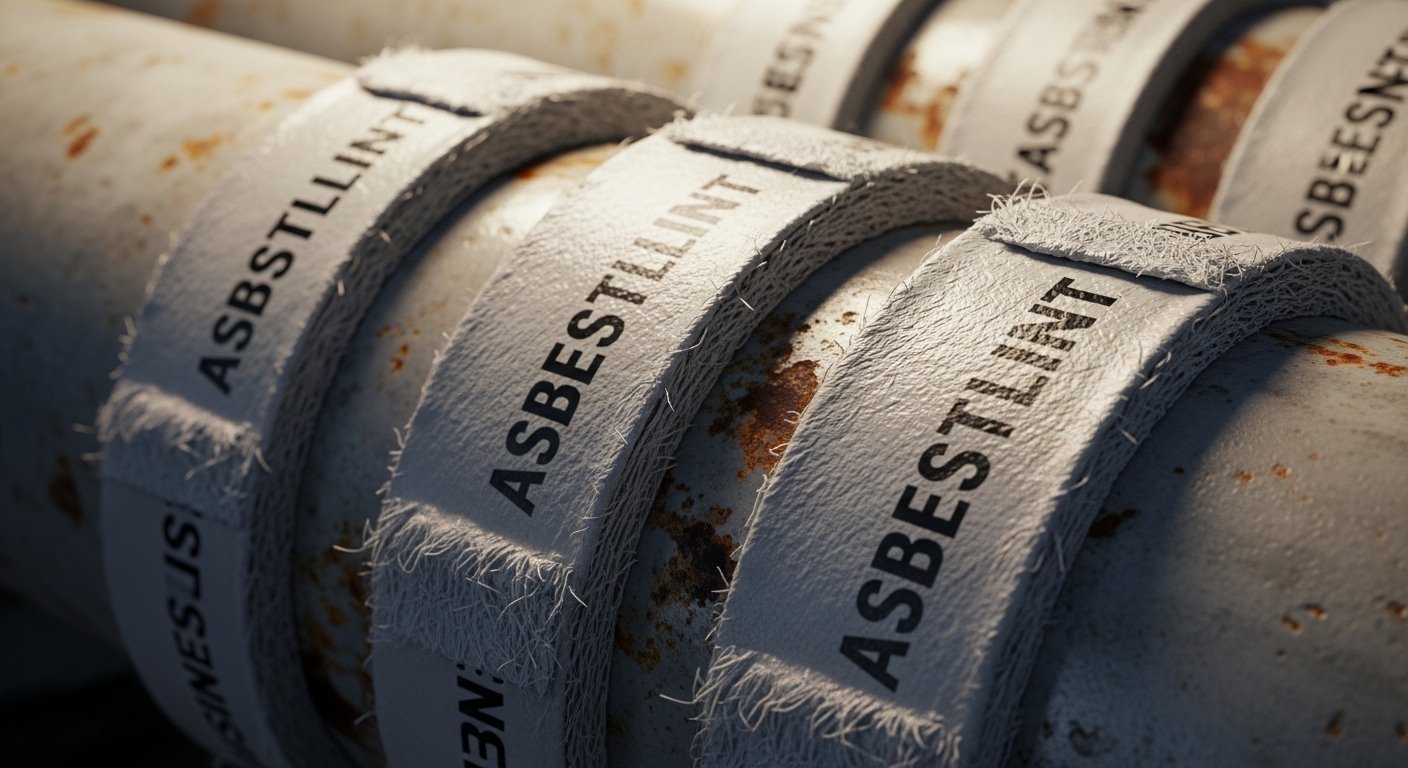
Asbestlint, commonly referred to as asbestos tape, has been a staple in industrial and construction applications for decades. Its unique properties, particularly its heat resistance and durability, made it a preferred choice for insulation purposes. Although modern alternatives have emerged, understanding the history, applications, benefits, and risks of asbestlint provides valuable insight into industrial materials and safety practices.
What is Asbestlint?
Asbestlint is a flexible tape primarily made from asbestos fibers. Asbestos is a naturally occurring mineral known for its remarkable heat-resistant, tensile strength, and insulating properties. When woven into a tape form, it allows easy application around pipes, ducts, boilers, and other heat-sensitive surfaces. The term “asbestlint” comes from its composition: “asbest” referring to asbestos and “lint” referring to its fibrous, tape-like form.
This material was widely used in the 20th century, especially in industrial settings where fireproofing, insulation, and durability were paramount. Its flexibility allowed workers to wrap it around irregular surfaces, making it a convenient and efficient solution for insulating pipes and electrical installations.
Historical Significance
Asbestlint became popular during the industrial boom in the early 1900s. Factories, power plants, and shipyards required materials that could withstand high temperatures and prevent fire hazards. Asbestos, being resistant to heat and chemical corrosion, naturally became the material of choice.
By the mid-20th century, asbestlint was a standard component in insulation projects worldwide. It was not only used in commercial settings but also in residential buildings for insulating heating systems and chimneys. Its widespread use reflected the lack of awareness about the long-term health risks associated with asbestos exposure during that era.
Composition and Manufacturing Process
The manufacturing of asbestlint involves weaving or compressing asbestos fibers into tape-like sheets. These fibers are often bound with adhesives or resins to enhance flexibility and strength. The final product is a tape that is both strong and pliable, able to conform to curves and edges while maintaining its structural integrity under extreme conditions.
Some types of asbestlint are coated with additional fire-retardant chemicals to further improve heat resistance. The thickness and density of the tape can vary depending on its intended use, whether for industrial boilers, pipelines, or electrical insulation.
Applications of Asbestlint
1. Thermal Insulation
The most common use of asbestlint has historically been in thermal insulation. It was wrapped around hot water pipes, steam lines, and heating ducts to prevent heat loss and protect surfaces from extreme temperatures. Its ability to withstand high heat without degrading made it ideal for these applications.
2. Electrical Insulation
Asbestlint was also used in electrical systems to insulate wires and prevent short circuits. The tape’s fire-resistant properties provided an extra layer of safety in industrial electrical installations.
3. Fireproofing
Another significant application was in fireproofing. Asbestlint could be applied to doors, walls, and ceilings in industrial facilities to provide a barrier against flames. Its heat-resistant fibers delayed the spread of fire, allowing more time for evacuation and damage control.
4. Sealing and Gasketing
Asbestlint’s flexibility made it suitable for creating gaskets and seals in machinery and equipment exposed to heat. It could be cut, shaped, and wrapped to provide a secure seal that maintained integrity under pressure and temperature variations.
Advantages of Asbestlint
Despite modern concerns, asbestlint has several inherent advantages that explain its historical popularity:
-
Heat Resistance: Asbestlint can withstand extreme temperatures, making it suitable for high-heat applications.
-
Durability: The fibrous composition ensures longevity, even in harsh industrial environments.
-
Flexibility: Unlike rigid insulation materials, asbestlint can conform to curved or uneven surfaces.
-
Fireproof Properties: It provides a barrier against fire, reducing the risk of damage and enhancing safety.
-
Chemical Resistance: Asbestos fibers resist corrosion from chemicals, which is beneficial in industrial settings.
These characteristics made asbestlint an indispensable material for insulation and fireproofing before the development of safer alternatives.
Health Risks Associated with Asbestlint
While asbestlint is technically effective as an insulation material, its major drawback is the health risk posed by asbestos fibers. When the tape is cut, worn, or damaged, microscopic fibers can become airborne. Inhalation of these fibers is linked to serious health conditions, including:
-
Asbestosis: A chronic lung disease caused by inhaling asbestos fibers, leading to scarring and breathing difficulties.
-
Mesothelioma: A rare and aggressive form of cancer that affects the lining of the lungs, chest cavity, or abdomen.
-
Lung Cancer: Prolonged exposure to asbestos increases the risk of developing lung cancer, especially among smokers.
Due to these severe health risks, the use of asbestos-based materials, including asbestlint, is heavily regulated or banned in many countries. Workers handling old asbestlint must follow strict safety protocols, including wearing protective gear and using specialized removal techniques.
Modern Alternatives
With the awareness of asbestos hazards, safer alternatives have been developed to replace asbestlint in insulation and fireproofing applications. Some common substitutes include:
-
Fiberglass Tape: Offers excellent heat resistance and insulation without the health risks associated with asbestos.
-
Ceramic Fiber Tape: Suitable for high-temperature applications and widely used in industrial settings.
-
PTFE (Teflon) Tape: Used primarily for sealing and insulation, especially in chemical environments.
-
Aramid Fiber Tape (e.g., Kevlar): Strong, heat-resistant, and flexible, making it a safer alternative in many applications.
These alternatives provide similar performance characteristics to asbestlint without exposing workers or occupants to harmful fibers.
Safe Handling and Disposal of Asbestlint
For existing installations of asbestlint, safety is paramount. Here are key guidelines for handling and disposal:
-
Protective Gear: Workers must wear respirators, gloves, and protective clothing to prevent inhalation or skin contact.
-
Minimize Disturbance: Avoid cutting, sanding, or breaking the tape, as this releases fibers into the air.
-
Wet Methods: Applying water while removing the tape reduces airborne fibers.
-
Proper Disposal: Asbestlint waste must be sealed in labeled containers and disposed of at certified hazardous waste facilities.
-
Professional Removal: Hiring licensed asbestos abatement professionals ensures compliance with safety regulations and minimizes health risks.
Following these protocols helps prevent exposure and ensures that old asbestlint does not pose a danger to people or the environment.
Current Use and Legal Status
Today, the use of asbestlint is limited due to strict regulations. In many countries, including the United States, European Union member states, and Australia, asbestos-containing materials are either banned or heavily restricted. However, some industrial facilities may still contain older installations of asbestlint that have not yet been removed.
The presence of asbestlint in buildings requires careful monitoring, routine inspections, and, when necessary, professional removal to prevent accidental fiber release. Modern building codes now mandate the use of non-asbestos alternatives for new insulation and fireproofing projects.
Environmental Considerations
Asbestos fibers do not decompose naturally, meaning improper disposal can lead to long-term environmental contamination. Contaminated soil, water, and air can pose health hazards to communities living near improperly managed asbestos waste. Consequently, environmental regulations enforce strict disposal procedures and encourage the replacement of asbestos materials with eco-friendly alternatives.
Conclusion
Asbestlint, or asbestos tape, played a crucial role in industrial and construction settings for much of the 20th century. Its heat resistance, flexibility, and durability made it ideal for insulation, fireproofing, and sealing applications. However, the serious health risks associated with asbestos fibers have led to widespread regulation and the development of safer alternatives.
Understanding asbestlint’s properties, historical significance, and associated hazards provides insight into both industrial innovation and the importance of occupational health. While modern materials now outperform asbestlint in terms of safety, its legacy remains a reminder of the balance between material performance and human health.
For professionals dealing with older installations, adhering to proper safety protocols and legal regulations is essential. Meanwhile, industries continue to evolve with innovative materials that offer the performance of asbestlint without the dangerous health consequences, ensuring that insulation and fireproofing are both effective and safe.