
 By mike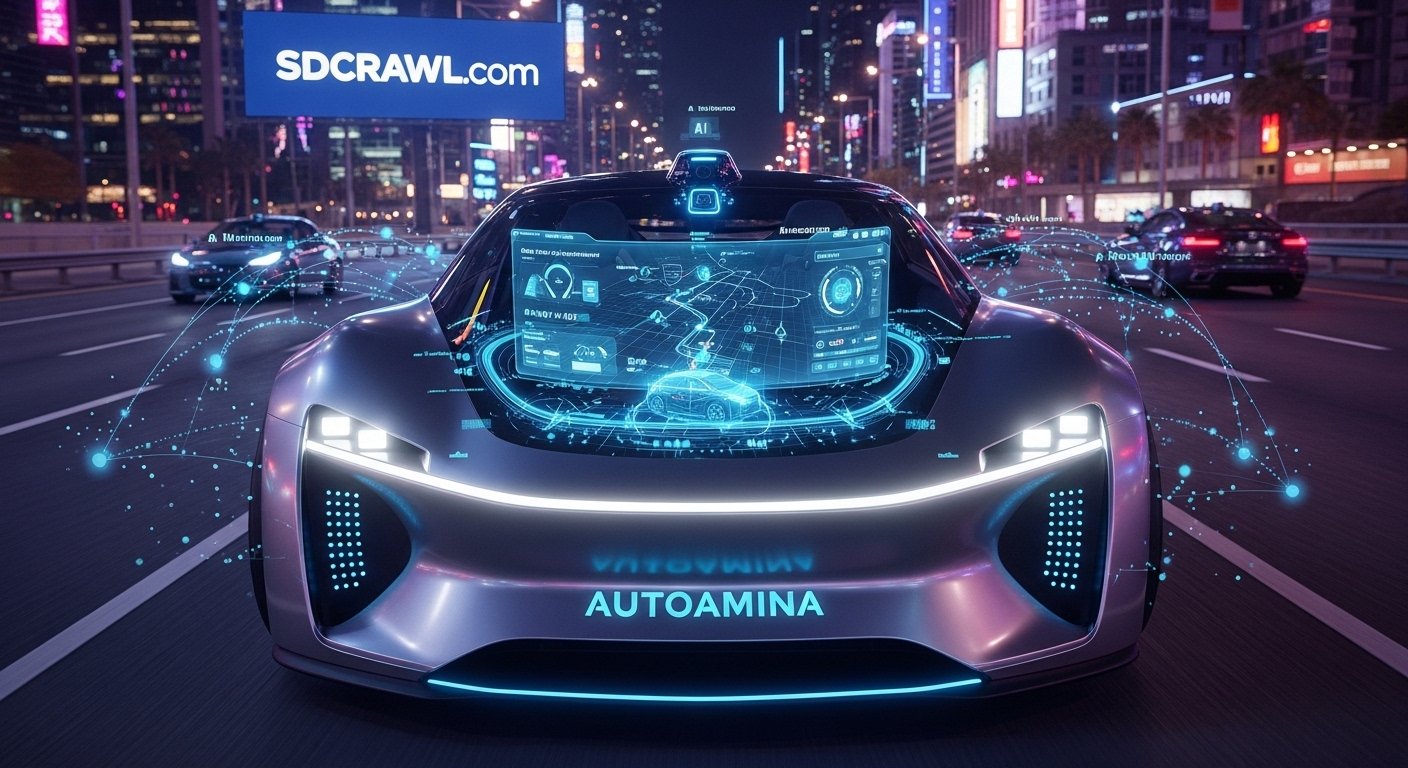
The automotive industry is undergoing a dramatic transformation. From electric vehicles to artificial intelligence (AI) and connected mobility, modern transportation is evolving faster than ever before. At the center of this revolution is Autoamina, a concept and technological framework that combines automation, intelligent systems, and advanced data analytics to create smarter, safer, and more efficient vehicles.
Autoamina represents more than just a technological upgrade—it symbolizes the shift toward smart automotive innovation, where vehicles can analyze data, learn from driving patterns, and improve performance automatically. As the world moves toward digital mobility and sustainable transportation, Autoamina is emerging as one of the most promising developments shaping the future of the automotive industry.
This article explores what Autoamina is, how it works, its key technologies, benefits, and the role it will play in the future of smart mobility.
Understanding Autoamina
Autoamina refers to a modern technological approach that integrates automation, artificial intelligence, machine learning, and real-time data processing to improve automotive systems and transportation experiences. It focuses on creating vehicles and platforms that can make intelligent decisions, optimize performance, and enhance safety without requiring constant human intervention.
In simple terms, Autoamina combines the power of digital technology with automotive engineering to create smart, adaptive, and connected vehicles.
The concept is built on the idea that vehicles should not only transport people from one place to another but also analyze their environment, communicate with other systems, and continuously improve their performance.
The Evolution of Automotive Technology
To understand the significance of Autoamina, it is helpful to look at how automotive technology has evolved over time.
1. Traditional Vehicles
Early vehicles relied almost entirely on mechanical systems. Drivers were responsible for every aspect of driving, from braking to navigation.
2. Assisted Driving
Over time, technologies such as anti-lock braking systems (ABS), cruise control, and parking sensors were introduced to assist drivers.
3. Smart and Connected Vehicles
Modern vehicles now include GPS navigation, driver-assistance systems, and connectivity features that allow cars to interact with smartphones and cloud services.
4. Autoamina and Intelligent Mobility
Autoamina represents the next step in this evolution. It introduces systems capable of learning from data, predicting outcomes, and adjusting operations automatically to improve performance and safety.
This shift marks the beginning of a new era in transportation where vehicles become intelligent mobility platforms rather than simple machines.
Core Technologies Behind Autoamina
Autoamina relies on several advanced technologies that work together to create smarter automotive systems.
Artificial Intelligence (AI)
Artificial intelligence plays a central role in Autoamina. AI algorithms analyze massive amounts of driving data to identify patterns, predict risks, and optimize vehicle performance.
For example, AI can help vehicles:
-
Detect obstacles on the road
-
Predict traffic patterns
-
Optimize fuel or energy usage
-
Improve navigation accuracy
By continuously learning from new data, AI-powered systems become more efficient and reliable over time.
Machine Learning
Machine learning allows vehicles to adapt to different driving conditions. These systems analyze previous driving behavior and adjust accordingly.
For example:
-
Learning how a driver accelerates or brakes
-
Adapting to different weather conditions
-
Improving energy efficiency in electric vehicles
Machine learning enables vehicles to become smarter with every trip.
Sensor Networks and Real-Time Data
Modern vehicles equipped with Autoamina technology rely on advanced sensors that collect real-time data about the environment.
These sensors include:
-
Cameras
-
Radar
-
LiDAR systems
-
Ultrasonic sensors
Together, they monitor the surroundings and provide critical information that allows vehicles to respond quickly to potential hazards.
These technologies enable features like adaptive cruise control, obstacle detection, and predictive safety alerts.
Cloud Connectivity
Autoamina also uses cloud computing to process and store large amounts of data.
Through cloud connectivity, vehicles can:
-
Receive software updates
-
Access real-time traffic information
-
Share data with other vehicles and infrastructure
This connectivity helps create an integrated transportation ecosystem where vehicles, roads, and digital services communicate with each other.
Key Features of Autoamina Systems
Autoamina-powered vehicles include a variety of advanced features designed to enhance safety, efficiency, and user experience.
Advanced Driver Assistance Systems (ADAS)
One of the most important components of Autoamina is ADAS. These systems assist drivers in critical situations by providing warnings or taking control when necessary.
Examples include:
-
Lane departure warning
-
Automatic emergency braking
-
Adaptive cruise control
-
Blind spot monitoring
These technologies significantly reduce the risk of accidents caused by human error.
Predictive Maintenance
Autoamina systems monitor vehicle performance continuously.
By analyzing data from sensors, the system can predict potential mechanical issues before they occur.
This allows drivers and manufacturers to:
-
Prevent unexpected breakdowns
-
Reduce maintenance costs
-
Extend vehicle lifespan
Predictive maintenance improves reliability and safety for vehicle owners.
Intelligent Navigation
Navigation systems powered by Autoamina can analyze traffic data in real time and recommend the most efficient routes.
These systems consider factors such as:
-
Traffic congestion
-
Road closures
-
Weather conditions
-
Driving habits
As a result, drivers can reach their destinations faster while saving fuel or battery power.
Smart Vehicle Connectivity
Autoamina also enables communication between vehicles and their environment.
This concept, known as Vehicle-to-Everything (V2X) communication, allows vehicles to interact with:
-
Other vehicles
-
Traffic lights
-
Road infrastructure
-
Cloud platforms
Such connectivity improves traffic flow and reduces the chances of accidents.
Benefits of Autoamina in the Automotive Industry
Autoamina offers numerous benefits for drivers, manufacturers, and society as a whole.
Improved Road Safety
One of the biggest advantages of Autoamina is enhanced safety.
By using advanced sensors, AI algorithms, and automated responses, vehicles can detect hazards earlier and respond faster than human drivers.
This reduces accidents caused by distractions, fatigue, or human error.
Enhanced Driving Experience
Autoamina improves the overall driving experience by making vehicles more responsive and user-friendly.
Drivers benefit from:
-
Smart navigation
-
Automated assistance
-
Real-time vehicle diagnostics
These features make driving easier, more comfortable, and less stressful.
Greater Energy Efficiency
Energy efficiency is another key advantage of Autoamina.
Smart systems can optimize engine performance, battery usage, and driving patterns to reduce fuel consumption and emissions.
This contributes to a more sustainable transportation system.
Data-Driven Decision Making
Autoamina systems collect large amounts of data about vehicle performance and driving behavior.
Manufacturers can use this data to:
-
Improve vehicle design
-
Develop safer technologies
-
Predict future trends in mobility
This data-driven approach accelerates innovation in the automotive sector.
Autoamina and the Rise of Electric Vehicles
Electric vehicles (EVs) are rapidly becoming a major part of the global automotive market.
Autoamina plays a crucial role in improving EV performance through:
-
Intelligent battery management
-
Energy-efficient navigation
-
Predictive maintenance systems
Advancements in battery technology and smart systems are enabling EVs to travel longer distances and charge faster.
As electric mobility expands, Autoamina will help optimize energy use and enhance the reliability of electric vehicles.
Impact on Automotive Manufacturing
Autoamina is not only transforming vehicles but also changing how they are manufactured.
Modern factories use automated systems and robotics to streamline production processes.
These technologies help manufacturers:
-
Reduce production costs
-
Increase efficiency
-
Improve product quality
Automation and data analytics allow manufacturers to build smarter vehicles faster than ever before.
Challenges of Autoamina Technology
Despite its advantages, Autoamina also presents several challenges.
Data Privacy and Security
Connected vehicles collect large amounts of data, raising concerns about privacy and cybersecurity.
Manufacturers must ensure that vehicle data is protected from unauthorized access.
High Development Costs
Developing advanced AI systems and sensor technologies requires significant investment.
This can make Autoamina technology expensive during the early stages of adoption.
Regulatory and Ethical Issues
Governments around the world are still developing regulations for autonomous and intelligent vehicles.
Ensuring that these technologies operate safely and ethically is an ongoing challenge.
The Future of Autoamina
The future of Autoamina is closely tied to the evolution of smart cities, connected infrastructure, and autonomous transportation.
In the coming years, we can expect several exciting developments:
Fully Autonomous Vehicles
Vehicles capable of driving without human intervention may become common.
Smart Transportation Networks
Cars, traffic systems, and public transportation will communicate with each other to optimize mobility.
Sustainable Mobility
Autoamina technologies will help reduce emissions and promote environmentally friendly transportation.
Personalized Driving Experiences
Vehicles will adapt to the preferences and habits of individual drivers.
These innovations will redefine how people travel and interact with transportation systems.
Conclusion
Autoamina represents the next major step in the evolution of automotive technology. By combining artificial intelligence, automation, real-time data analysis, and connectivity, it is transforming vehicles into intelligent mobility systems capable of learning, adapting, and improving over time.
From enhanced road safety and predictive maintenance to energy efficiency and connected transportation networks, Autoamina offers countless benefits for both drivers and manufacturers. As technology continues to advance, the influence of Autoamina will expand across the entire automotive ecosystem.
In the coming decades, smart automotive innovation driven by Autoamina will play a crucial role in shaping the future of transportation—creating vehicles that are not only faster and more efficient but also safer, smarter, and more sustainable.