
 By mike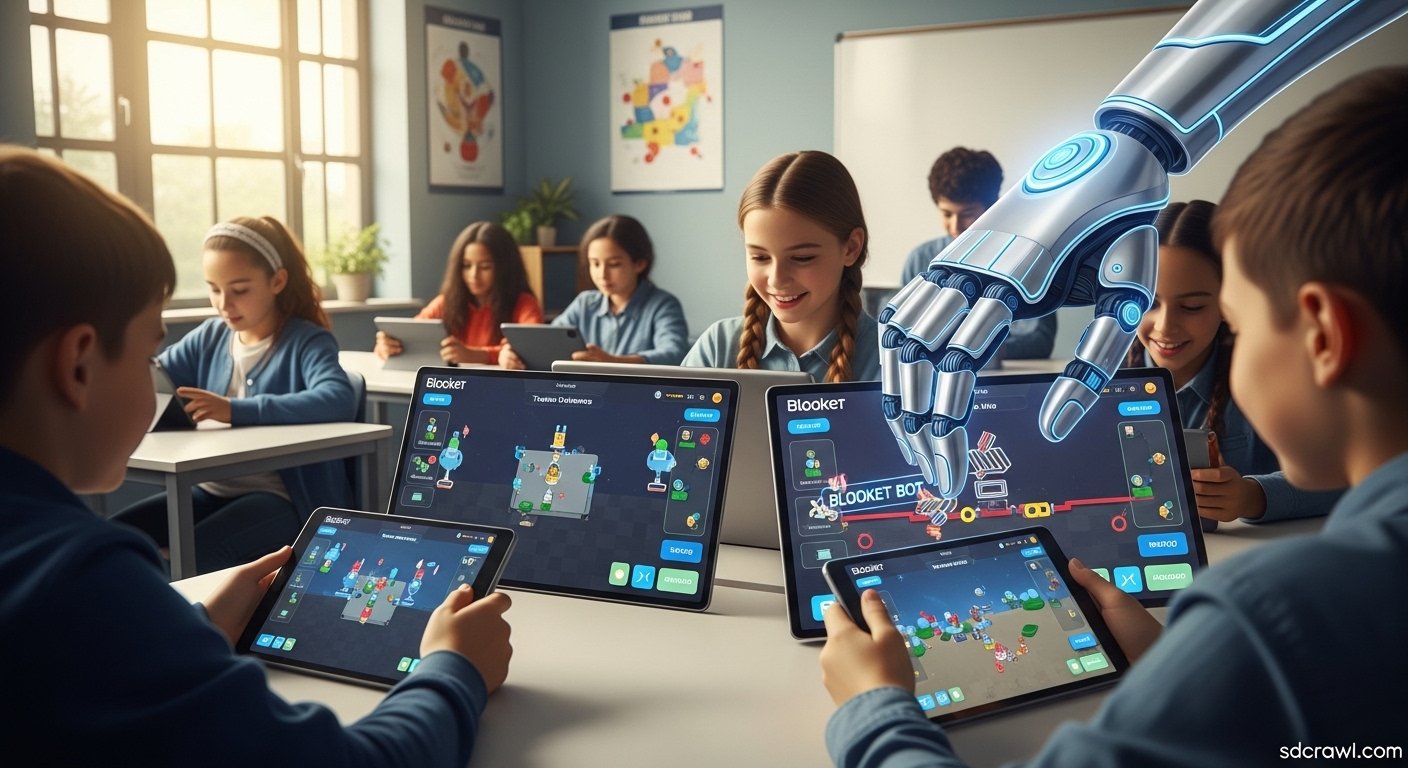
In the modern educational landscape, interactive learning platforms like Blooket have become increasingly popular. Blooket combines gaming elements with educational content, creating a fun, engaging, and competitive environment for students. However, alongside its success, certain tools have emerged that automate gameplay, commonly known as Blooket Bots. These bots can autonomously enter games and manipulate outcomes without human intervention. While they might seem intriguing, understanding the functionality, risks, and ethical implications of Blooket bots is crucial for educators, students, and developers alike.
What is a Blooket Bot?
A Blooket Bot is a software program designed to automate interactions within Blooket games. Blooket itself is a platform where players answer questions to earn points, collect items, and advance in mini-games. The bot simulates human behavior by entering the game, selecting answers, and progressing automatically. In essence, it removes the need for human participation while still producing results, often giving an unfair advantage to the user.
These bots vary in sophistication. Some are simple scripts that randomly select answers, while others incorporate advanced algorithms to predict correct answers or mimic realistic response times. Developers create these tools to bypass the intended gameplay experience, which raises several ethical and practical concerns.
How Blooket Bots Work
Understanding how Blooket bots operate can help illustrate why they are controversial. At a basic level, these bots function by interacting with the Blooket web interface or API programmatically. They are typically coded in popular programming languages like JavaScript or Python. The bot performs several key actions:
- Joining Games Automatically
Bots can enter a game lobby without manual input, using stored game codes. This allows a user to participate in multiple games simultaneously or at a speed humans cannot match. - Answer Selection
Depending on the bot’s complexity, it may either randomly select answers, use a pre-defined strategy, or access external answer databases. Advanced bots can even calculate probabilities to maximize the chances of correct responses. - Score Manipulation
Some bots adjust in-game scores to give the user an edge, while others exploit glitches in the system to generate points faster than normal gameplay allows. - Continuous Play
Bots can run indefinitely, participating in games 24/7, something impossible for human players.
While these functionalities can demonstrate technical skill, they disrupt fair play and undermine the educational intent of Blooket.
The Risks of Using Blooket Bots
Although Blooket bots may seem harmless, their use carries multiple risks for students, educators, and the platform itself. These risks can be broadly categorized as educational, ethical, security, and technical concerns.
1. Educational Risks
The primary purpose of Blooket is to reinforce learning in a fun and interactive way. When a bot takes over gameplay, students are no longer actively engaging with the material. This can result in:
- Reduced learning retention: Automated gameplay does not promote critical thinking or problem-solving.
- Misleading assessment results: Educators may mistakenly assume a student understands a concept based on artificially inflated scores.
- Lack of skill development: Using a bot circumvents practice and repetition, reducing the educational value of the platform.
2. Ethical Risks
Blooket bots raise serious ethical concerns. They involve cheating and unfair advantages, which can affect both the integrity of educational settings and the student’s moral development. Some consequences include:
- Academic dishonesty: Students who use bots violate rules similar to plagiarism or exam cheating.
- Erosion of trust: Teachers may lose confidence in students’ reported achievements.
- Peer conflict: Fairly competing students may feel discouraged or frustrated when others gain an unfair advantage through automation.
3. Security Risks
Using bots often requires downloading scripts or third-party software, which can introduce significant security vulnerabilities:
- Malware or viruses: Unauthorized scripts may carry malicious code that can compromise a computer or personal data.
- Account suspension: Platforms like Blooket have terms of service that prohibit bots, leading to account bans if detected.
- Data theft: Some bots may harvest login credentials or other sensitive information, posing privacy risks.
4. Technical Risks
From a technical perspective, bots can create problems for the Blooket platform itself:
- Server strain: Automated bots can overload game servers, affecting performance for legitimate players.
- Exploitation of bugs: Some bots exploit software glitches that can compromise game integrity or stability.
- Platform reputation: Widespread bot usage can harm the credibility of Blooket as a trusted educational tool.
Why Students Use Blooket Bots
Despite the risks, some students are tempted to use Blooket bots due to several motivations:
- Competitive Advantage: The allure of being “first” or topping the leaderboard can tempt students to automate gameplay.
- Time Efficiency: Bots save time by completing games quickly without active participation.
- Curiosity and Experimentation: Some students are interested in coding and automation, using bots as a learning exercise in programming.
- Peer Influence: If friends are using bots, students may feel pressured to adopt them to remain competitive.
While these reasons explain why bots are attractive, the consequences often outweigh the perceived benefits.
The Ethical and Responsible Alternative
Instead of using Blooket bots, students and educators can adopt strategies that respect the platform’s purpose while still enhancing engagement:
- Gamified Learning Strategies
Encourage friendly competitions and timed challenges that motivate students without automation. Leaderboards can still create excitement while keeping the experience fair. - Programming Education
Students interested in creating bots can redirect that curiosity into legitimate programming projects. Developing educational tools, mini-games, or practice quizzes teaches coding skills without violating ethical standards. - Team Collaboration
Incorporate collaborative learning where students work together to solve questions in real-time. This builds teamwork, problem-solving skills, and engagement. - Use of Official Blooket Features
Blooket offers features like randomized questions, review games, and progress tracking. Leveraging these features can enhance learning without shortcuts.
By promoting ethical alternatives, students can satisfy curiosity, challenge themselves, and learn effectively.
The Platform’s Response to Bots
Blooket has a vested interest in maintaining a fair and educational experience. The platform implements several measures to detect and prevent bot usage:
- Monitoring unusual gameplay patterns: Automated scripts often generate results that are impossible for human players to achieve.
- Account verification and restrictions: Repeated violations can lead to temporary or permanent account suspension.
- Security updates: Regular platform updates close vulnerabilities that bots may exploit.
Educators and parents should remain vigilant and encourage responsible usage to support Blooket’s mission as an educational tool.
The Future of Educational Automation
The rise of Blooket bots highlights a broader question about automation in education. While unauthorized bots are problematic, controlled automation could have a legitimate role in learning:
- Tutoring Bots: AI-driven assistants can help students review content and provide hints without taking over the learning process.
- Assessment Tools: Automated systems can help teachers grade or track student progress efficiently.
- Gamified Learning Enhancements: Carefully designed automation could simulate advanced challenges or adaptive learning scenarios.
The key is ethical and transparent integration, ensuring that technology enhances learning rather than undermining it.
Conclusion
Blooket bots demonstrate both the technological ingenuity and ethical challenges associated with automation in educational gaming. While these bots can autonomously enter games and manipulate results, their use undermines the core purpose of learning, creates unfair advantages, and poses significant risks, including security and ethical concerns. Students, educators, and developers must recognize these implications and seek responsible alternatives that respect both the platform and the educational process.
Ultimately, the focus should be on using technology to enhance learning rather than circumventing it. By understanding how Blooket bots work, their risks, and the ethical alternatives available, the educational community can foster engaging, fair, and effective learning environments for all students.