
 By mike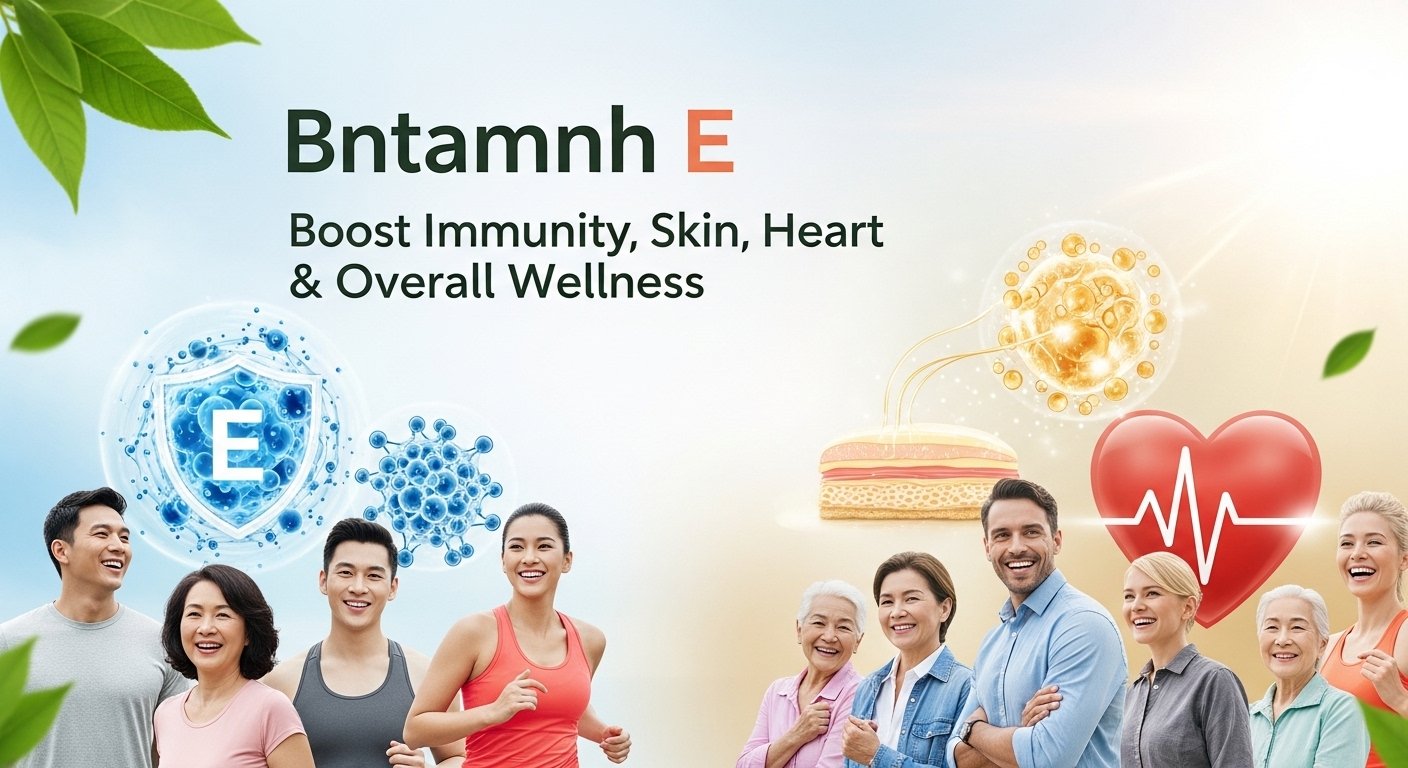
In today’s fast-paced world, maintaining optimal health is more important than ever. One of the vital nutrients that plays a key role in supporting overall well-being is Bntamnh E. This essential vitamin, often overlooked, contributes significantly to immunity, skin health, heart function, and general wellness. Understanding its benefits, sources, and safe intake tips can help you harness its full potential.
What is Bntamnh E?
Bntamnh E is a fat-soluble vitamin that functions as a powerful antioxidant in the body. Antioxidants protect cells from damage caused by free radicals—unstable molecules that can contribute to chronic diseases and aging. Because the body cannot produce this vitamin on its own, it must be obtained through diet or supplements.
Vitamin E is not a single compound but a group of related molecules, including tocopherols and tocotrienols. Each of these compounds provides unique benefits, though they all share the ability to neutralize free radicals and support cellular health.
Health Benefits of Bntamnh E
1. Boosting Immunity
A strong immune system is essential for fighting off infections, bacteria, and viruses. Bntamnh E enhances immune function by supporting the production of immune cells, particularly T-cells, which are crucial in defending the body against pathogens. Studies suggest that adequate vitamin E intake can help reduce the risk of infections, especially in older adults whose immune responses naturally decline with age.
Moreover, Bntamnh E works synergistically with other antioxidants, such as vitamin C and selenium, to provide comprehensive immune protection. By reducing oxidative stress, it ensures that immune cells remain functional and responsive.
2. Promoting Skin Health
Skin is the body’s largest organ and the first line of defense against external threats. Bntamnh E is widely known for its skin-protective properties. Its antioxidant activity helps prevent premature aging, wrinkles, and damage caused by ultraviolet (UV) rays.
Topical application of Bntamnh E in creams or oils can help reduce inflammation, accelerate wound healing, and improve skin hydration. Additionally, it can aid in minimizing scars and supporting the skin’s natural barrier function. When taken orally, it works from within to maintain skin elasticity and overall radiance.
3. Supporting Heart Function
Heart health is another area where Bntamnh E has shown promising benefits. Oxidative stress and inflammation play major roles in cardiovascular diseases. By neutralizing free radicals, Bntamnh E helps prevent the oxidation of LDL cholesterol—a key step in the development of atherosclerosis.
Research indicates that sufficient vitamin E intake may reduce the risk of heart disease, improve arterial flexibility, and support healthy blood flow. While it should not replace conventional heart treatments, it can complement a heart-healthy lifestyle when combined with a balanced diet and regular exercise.
4. Enhancing Eye Health
Vision is also influenced by oxidative stress, particularly in conditions like age-related macular degeneration (AMD). Bntamnh E, along with other antioxidants like vitamin C, zinc, and beta-carotene, can slow the progression of AMD and protect the eyes from oxidative damage. Maintaining adequate vitamin E levels is thus essential for long-term eye health.
5. General Wellness and Longevity
Beyond specific organs and systems, Bntamnh E contributes to overall wellness. Its antioxidant properties reduce cellular damage, potentially lowering the risk of chronic diseases such as cancer and neurodegenerative disorders. Some studies even suggest that adequate vitamin E intake can improve energy levels, cognitive function, and physical performance in older adults.
Natural Sources of Bntamnh E
To reap the benefits of Bntamnh E, incorporating it into your diet is essential. Rich sources include:
-
Nuts and Seeds: Almonds, sunflower seeds, hazelnuts, and peanuts are excellent sources. They provide a high concentration of tocopherols.
-
Vegetable Oils: Sunflower oil, safflower oil, and wheat germ oil are particularly rich in vitamin E.
-
Leafy Greens: Spinach, Swiss chard, and kale contain moderate amounts of vitamin E, along with other beneficial nutrients.
-
Fruits: Avocados, kiwis, and blackberries offer small but valuable amounts of vitamin E.
-
Fortified Foods: Some cereals, juices, and margarine are fortified with vitamin E to help meet daily requirements.
By diversifying your diet with these foods, you can naturally maintain healthy vitamin E levels.
Recommended Daily Intake
The daily requirement of Bntamnh E varies by age, gender, and life stage. The general guidelines are:
-
Infants (0–6 months): 4 mg/day
-
Children (1–13 years): 6–11 mg/day
-
Adults (14+ years): 15 mg/day
-
Pregnant and breastfeeding women: 15–19 mg/day
It is important not to exceed the upper limit (generally 1,000 mg/day for adults) without medical supervision, as excessive intake can lead to side effects such as bleeding, nausea, and fatigue.
Safe Intake Tips
-
Balanced Diet First: Prioritize natural sources over supplements whenever possible. Whole foods provide additional nutrients that enhance vitamin E’s effects.
-
Supplementation: Consider supplements only if you have a deficiency or a medical condition that affects absorption, such as Crohn’s disease or cystic fibrosis.
-
Check Interactions: Vitamin E can interact with blood-thinning medications like warfarin. Consult a healthcare professional before taking high-dose supplements.
-
Consistency: Regular intake, either through diet or supplements, ensures stable vitamin E levels and maximum health benefits.
Potential Deficiency Symptoms
Although rare in healthy individuals, Bntamnh E deficiency can occur in people with certain medical conditions. Symptoms include:
-
Muscle weakness and coordination issues
-
Numbness or tingling in extremities
-
Impaired immune function
-
Vision problems due to retinal damage
Early detection and dietary adjustments can usually correct the deficiency without complications.
Combining Bntamnh E with Other Nutrients
Vitamin E works best when combined with complementary nutrients:
-
Vitamin C: Regenerates oxidized vitamin E, enhancing antioxidant effects.
-
Selenium: Supports immune function and antioxidant protection.
-
Omega-3 Fatty Acids: Promote heart health and reduce inflammation, complementing vitamin E’s cardiovascular benefits.
By combining these nutrients in your diet, you can achieve a holistic approach to health.
Lifestyle Tips to Maximize Benefits
Beyond diet, lifestyle choices influence how effectively your body uses Bntamnh E:
-
Exercise Regularly: Physical activity reduces oxidative stress and improves nutrient absorption.
-
Protect Skin from Sun: Even with adequate vitamin E, excessive UV exposure can overwhelm antioxidant defenses.
-
Avoid Smoking and Excess Alcohol: Both accelerate oxidative damage, counteracting vitamin E’s protective effects.
-
Manage Stress: Chronic stress increases free radical production, making antioxidants like vitamin E even more crucial.
Conclusion
Bntamnh E is more than just a vitamin—it’s a vital component for immunity, skin health, heart function, and overall wellness. By understanding its benefits, incorporating natural sources into your diet, and practicing safe intake strategies, you can leverage the full potential of this powerful nutrient. Whether you aim to strengthen your immune system, maintain youthful skin, or support your heart, Bntamnh E plays a pivotal role in a healthier, longer life.