
 By mike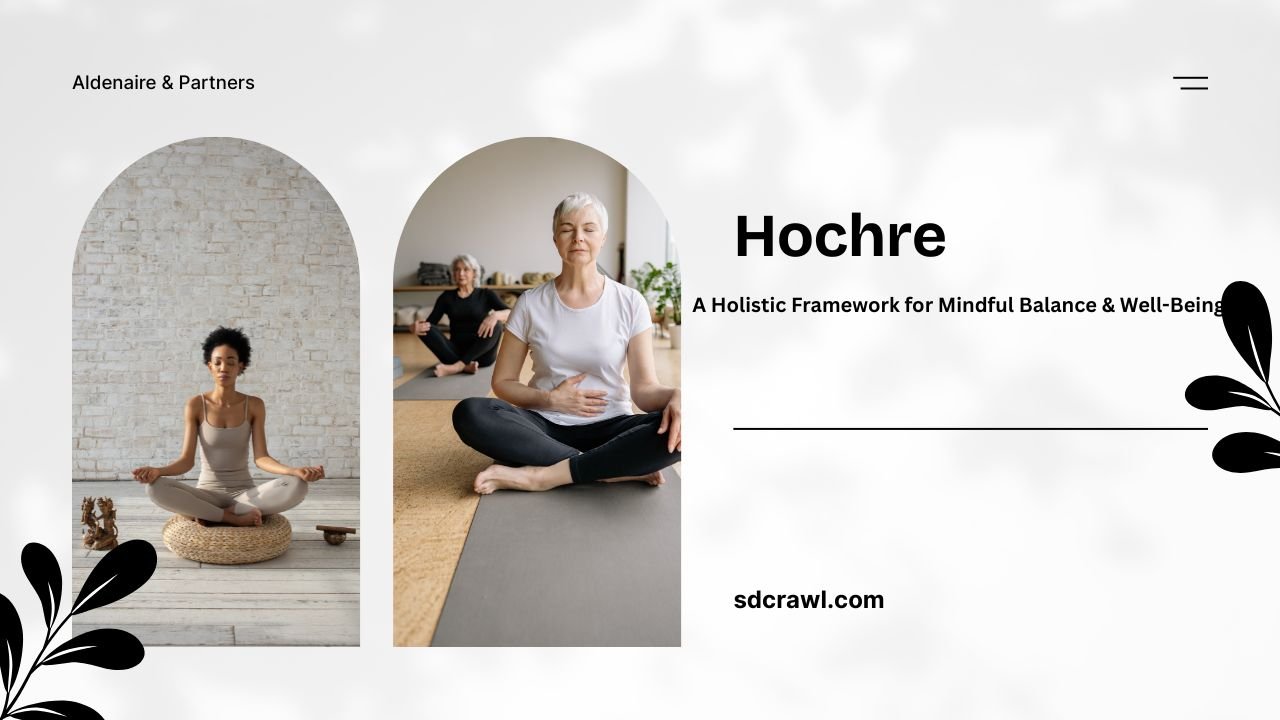
In today’s fast-paced world, where stress, burnout, and mental fatigue have become common companions, the pursuit of holistic well-being is no longer optional—it is essential. Modern life often prioritizes productivity and external achievements, leaving mental, emotional, and physical health at the back burner. Amidst this backdrop, Hochre, a holistic well-being framework, has emerged as a comprehensive approach to cultivating a balanced, mindful, and intentional life. By integrating practices that nurture both the mind and body, Hochre offers a roadmap for sustainable wellness in all dimensions of life.
Understanding Hochre: The Philosophy
At its core, Hochre emphasizes the interconnectedness of mental, emotional, and physical health. The framework is grounded in the principle that true well-being is not merely the absence of illness but the presence of balance, awareness, and vitality. It encourages individuals to shift from reactive living—responding to stressors as they arise—to proactive, intentional living where choices are aligned with personal values and long-term wellness.
Mindfulness is a cornerstone of Hochre. By fostering mindful awareness, individuals learn to observe their thoughts, emotions, and behaviors without judgment. This self-awareness allows for better decision-making, improved emotional regulation, and a deeper understanding of personal needs. Mindfulness, in Hochre, is not limited to meditation; it extends to everyday actions, including eating, movement, work, and relationships, ensuring that each aspect of life is approached with presence and intention.
The Three Pillars of Hochre
Hochre’s methodology rests on three interconnected pillars: Mindful Awareness, Intentional Habits, and Balanced Health. Each pillar contributes to creating a resilient, harmonious life.
1. Mindful Awareness
Mindful awareness is the practice of observing internal experiences with curiosity and compassion. In Hochre, this goes beyond formal meditation sessions. It includes:
-
Emotional Awareness: Recognizing emotions as they arise without suppressing or exaggerating them. This practice helps prevent emotional burnout and promotes mental clarity.
-
Cognitive Awareness: Understanding thought patterns and identifying mental habits that may be self-sabotaging. For example, noticing recurring negative self-talk can help an individual replace it with affirming statements.
-
Sensory Awareness: Engaging fully with the environment through the senses. This practice enhances appreciation for simple moments, whether savoring a meal or enjoying nature, and reduces automatic, distracted living.
By cultivating mindful awareness, Hochre practitioners become more attuned to their needs and triggers. This heightened self-awareness is a prerequisite for making meaningful lifestyle changes.
2. Intentional Habits
Hochre emphasizes that well-being is sustained through intentional habits rather than sporadic efforts. Intentional habits are conscious behaviors adopted to support physical, mental, and emotional health. Examples include:
-
Daily Movement: Incorporating physical activity into daily routines, from walking and stretching to yoga or strength training, to maintain bodily health and energy.
-
Nutrition Practices: Choosing foods mindfully to nourish the body and mind. Hochre encourages balanced, nutrient-dense meals rather than restrictive diets.
-
Sleep Rituals: Establishing consistent sleep patterns and pre-bedtime routines to optimize rest and cognitive function.
-
Digital Detoxes: Allocating periods of time to disconnect from screens and social media, reducing mental clutter and stress.
These habits are intentionally designed to align with personal values and long-term well-being goals. Consistency, rather than intensity, is emphasized; small, daily practices accumulate to produce significant positive outcomes over time.
3. Balanced Health
Balanced health in Hochre integrates mental, emotional, and physical well-being into a harmonious whole. Hochre encourages individuals to view their health holistically, recognizing the impact of one dimension on the others:
-
Mental Health: Practices such as mindfulness, journaling, and therapy help maintain cognitive clarity, emotional resilience, and a sense of purpose.
-
Emotional Health: Developing emotional intelligence, empathy, and stress management skills enhances relationships and self-compassion.
-
Physical Health: Movement, nutrition, hydration, and sleep provide the foundation for energy, longevity, and vitality.
By addressing all dimensions simultaneously, Hochre reduces the risk of imbalance and fosters sustainable wellness.
Practical Implementation of Hochre in Daily Life
Implementing Hochre is about making well-being an intentional, consistent part of everyday life. Here are practical ways to integrate its principles:
Morning Rituals
Starting the day mindfully sets the tone for intentional living. Hochre encourages morning practices such as:
-
Meditation or deep-breathing exercises to center the mind.
-
Journaling to outline daily intentions and reflect on personal goals.
-
Gentle movement or stretching to awaken the body.
These rituals help individuals begin their day grounded, focused, and aligned with their wellness priorities.
Mindful Eating
Hochre promotes mindful eating as a way to nourish both body and mind. Key practices include:
-
Eating slowly and savoring each bite.
-
Listening to hunger and fullness cues to avoid overeating.
-
Selecting whole, nutrient-rich foods that support energy and longevity.
Mindful eating transforms meals from a routine task into an opportunity for presence and gratitude.
Mind-Body Connection
Hochre emphasizes the integration of physical and mental wellness. Practices such as yoga, tai chi, and mindful walking strengthen this connection. Regular movement not only enhances physical health but also supports emotional stability and mental clarity.
Reflection and Journaling
Daily or weekly reflection is essential in Hochre. Journaling helps track patterns, celebrate progress, and address challenges. It encourages self-compassion and accountability, fostering continuous personal growth.
Intentional Rest and Recovery
In a culture that glorifies busyness, Hochre highlights the importance of rest. Scheduled breaks, adequate sleep, and periods of solitude allow the body and mind to rejuvenate, prevent burnout, and maintain long-term vitality.
Benefits of Adopting Hochre
Individuals who embrace Hochre experience a range of holistic benefits:
-
Reduced Stress and Anxiety: Mindful awareness and intentional habits cultivate calmness and resilience against stressors.
-
Enhanced Mental Clarity: Regular reflection and mindful practices improve focus, decision-making, and cognitive function.
-
Emotional Resilience: Awareness of emotions and intentional coping strategies strengthen emotional intelligence and relationships.
-
Physical Vitality: Balanced nutrition, movement, and rest enhance energy levels, immunity, and overall physical health.
-
Meaningful Living: Aligning daily habits with personal values and goals creates a sense of purpose and satisfaction.
Over time, Hochre transforms wellness from a reactive endeavor into a proactive, empowering lifestyle.
Hochre and the Modern Lifestyle
The modern world presents unique challenges to well-being. Continuous digital exposure, fast-paced work environments, and societal pressures can erode mental and physical health. Hochre provides tools to navigate these challenges by emphasizing presence, intentionality, and balance. Whether it is managing digital distractions, coping with workplace stress, or improving physical fitness, Hochre equips individuals with practices that are adaptable to diverse lifestyles and circumstances.
Furthermore, Hochre is inclusive and non-prescriptive. It encourages individuals to personalize their wellness journey rather than following a one-size-fits-all approach. By fostering self-awareness, it allows for adjustments based on changing needs, life phases, and personal goals.
The Role of Community and Support
While Hochre focuses on individual well-being, it also acknowledges the importance of social support. Sharing experiences, participating in wellness communities, and seeking professional guidance can amplify the benefits of the framework. Engaging with like-minded individuals reinforces motivation, accountability, and a sense of belonging, which are critical components of holistic wellness.
Challenges and Considerations
Adopting Hochre may pose challenges, particularly for those unaccustomed to mindfulness or intentional living. Common obstacles include:
-
Consistency: Integrating new habits requires patience and commitment. Starting with small, manageable steps is crucial.
-
Overwhelm: The holistic nature of Hochre may seem daunting. Prioritizing one or two pillars initially can prevent burnout.
-
Self-Judgment: Practicing self-compassion is essential, as lapses or setbacks are natural on any wellness journey.
With awareness and gradual implementation, these challenges can be navigated effectively.
Conclusion
Hochre represents a modern, holistic approach to well-being, emphasizing mindful awareness, intentional habits, and balanced health. By integrating mental, emotional, and physical wellness, it provides a sustainable framework for navigating life’s challenges while fostering vitality, resilience, and purpose.
In a world where stress and imbalance are increasingly common, Hochre offers a path toward intentional living—a journey where every action, thought, and habit contributes to comprehensive wellness. By embracing this framework, individuals can cultivate a life marked not just by health, but by harmony, clarity, and fulfillment.
Ultimately, Hochre is more than a wellness framework—it is a philosophy for mindful living, empowering individuals to align daily choices with long-term well-being and to thrive in both body and mind.