
 By mike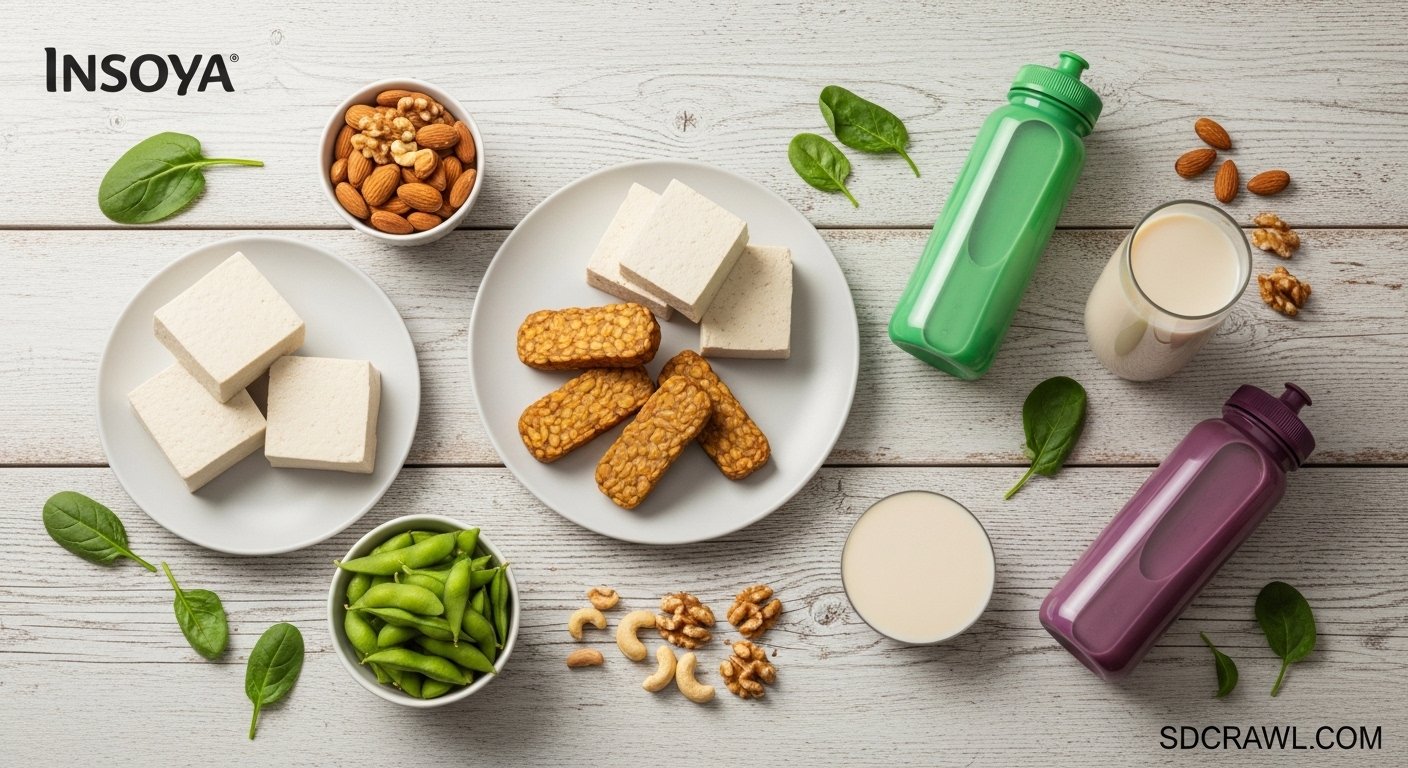
In recent years, the demand for plant-based nutrition has grown rapidly across the world. People are becoming more aware of how their food choices affect their health, the environment, and long-term well-being. Among the many plant-based nutrition options available today, Insoya represents a modern and innovative concept centered on soy-based foods. It focuses on providing high-quality protein, essential nutrients, and sustainable food solutions for modern lifestyles.
Insoya stands out because it combines traditional soy nutrition with modern food science. This approach makes plant-based eating more accessible, nutritious, and appealing to a wide range of consumers. As more individuals shift toward healthier and eco-friendly diets, Insoya is emerging as a promising solution for the future of nutrition.
This article explores the role of soy nutrition, the benefits of plant-based protein, and how Insoya can transform the way people think about food, wellness, and sustainability.
Understanding the Insoya Concept
Insoya is built on the foundation of soy-based nutrition. Soybeans have been used as a food source for thousands of years, especially in Asian cultures. However, modern technology has allowed soy products to evolve into more versatile and innovative forms.
The Insoya concept focuses on three key pillars:
- High-quality plant protein
- Balanced nutritional value
- Sustainable food production
Soybeans are considered one of the most nutritious plant foods available today. They contain approximately 36–40% protein, making them one of the richest plant-based protein sources.
Unlike many plant proteins, soy contains essential amino acids needed for muscle growth, body repair, and overall health. This makes it a strong alternative to animal-based protein sources.
Insoya builds on this natural advantage by developing food products that deliver nutrition without compromising taste or convenience.
Why Soy Is the Foundation of Insoya
Soy is often called a “complete protein,” meaning it provides most of the amino acids the human body requires. This makes soy a valuable choice for vegetarians, vegans, and individuals seeking healthier dietary options.
Soy-based foods are known for their impressive nutrient profile, including:
- Protein
- Fiber
- Iron
- Calcium
- Magnesium
- Healthy fats
- Antioxidants
Soy also contains compounds known as isoflavones, which support overall health and reduce inflammation.
Furthermore, soy protein has a high digestibility score, similar to animal protein. This makes it a reliable source of nutrition for people of all ages.
Because of these benefits, soy is an ideal base ingredient for the Insoya nutrition model.
Health Benefits of Insoya-Based Nutrition
One of the most important advantages of Insoya is its focus on health and wellness. Soy-based nutrition supports multiple body functions and helps prevent several chronic diseases.1. Supports Heart Health
Heart disease remains one of the leading causes of death worldwide. Plant-based diets rich in soy can help lower harmful cholesterol levels and improve heart health.
Research shows that soy consumption can:
- Reduce LDL (bad cholesterol)
- Improve blood circulation
- Support overall cardiovascular health
Soy also contains fiber and antioxidants that protect blood vessels and reduce inflammation.
These properties make Insoya-based foods a smart choice for heart-friendly nutrition.
2. Helps Maintain Healthy Weight
Weight management is a major concern for many individuals today. Soy protein promotes satiety, meaning it helps people feel full for longer periods.
This leads to:
- Reduced overeating
- Better portion control
- Improved metabolism
Soy protein has been associated with weight loss and improved metabolic health when included in balanced diets.
Insoya products designed with controlled calorie content can help individuals maintain a healthy body weight without sacrificing nutrition.
3. Enhances Muscle Growth and Recovery
Protein plays a critical role in muscle repair and growth. Athletes and active individuals require high-quality protein to support their physical performance.
Soy protein contains essential amino acids that contribute to:
- Muscle tissue repair
- Strength development
- Faster recovery after exercise
Because of this, Insoya nutrition can serve as an effective alternative to traditional animal-based protein supplements.
4. Supports Blood Sugar Control
Soy-based foods have a low glycemic index, meaning they release sugar slowly into the bloodstream. This helps prevent sudden spikes in blood sugar levels.
Such benefits are especially valuable for:
- People with diabetes
- Individuals managing insulin resistance
- Those aiming for steady energy levels
Soy’s ability to improve blood sugar management makes it a key component of balanced nutrition.
5. Strengthens Immune Function
The nutrients found in soy, including vitamins, minerals, and antioxidants, contribute to a stronger immune system.
Soy bioactive compounds help:
- Reduce inflammation
- Support immune response
- Protect against chronic diseases
These effects make Insoya a valuable addition to modern wellness routines.
Insoya and Sustainable Food Systems
Another major advantage of Insoya is its contribution to environmental sustainability. Traditional animal farming requires large amounts of water, land, and feed. In contrast, soy-based foods require fewer natural resources.
Plant-based proteins are widely recognized as more environmentally friendly because they:
- Produce fewer greenhouse gas emissions
- Require less land use
- Reduce water consumption
Soybeans are also adaptable to different climates, making them suitable for global agriculture. In addition, soy-based nutrition has been identified as a sustainable solution for addressing food shortages and improving public health.
By promoting plant-based diets, Insoya supports eco-friendly food systems and long-term environmental balance.
Popular Foods in the Insoya Lifestyle
Insoya nutrition includes a wide variety of soy-based foods that suit different tastes and cultural preferences.
Common Insoya-inspired foods include:
- Tofu – A versatile soy product used in savory dishes
- Tempeh – A fermented soy food rich in protein
- Soy milk – A dairy-free alternative to cow’s milk
- Edamame – Whole young soybeans often served as snacks
- Soy-based protein powders – Used in fitness nutrition
These foods are not only nutritious but also adaptable to various recipes.
Soy-based foods provide valuable nutrients such as fiber, calcium, and iron, making them ideal for plant-based diets.
With the help of modern food innovation, Insoya products can be customized for taste, texture, and nutritional goals.
Insoya for Different Lifestyles
One of the strengths of Insoya is its flexibility. It can support multiple dietary preferences and lifestyles.
For Vegetarians and Vegans
Plant-based diets often require careful planning to meet protein needs. Insoya simplifies this process by offering complete protein sources in convenient forms.
Soy-based nutrition allows plant-based eaters to maintain balanced diets without relying on animal products.
For Athletes and Fitness Enthusiasts
Fitness-focused individuals need reliable protein sources to support muscle growth and recovery.
Insoya-based protein products provide:
- High-quality amino acids
- Low saturated fat
- Efficient digestion
This makes them ideal for sports nutrition and daily training routines.
For Busy Professionals
Modern lifestyles often involve tight schedules and limited meal preparation time.
Insoya products such as ready-to-eat meals, protein snacks, and fortified beverages provide quick and nutritious options for busy individuals.
Innovation and Technology Behind Insoya
Modern food technology plays a significant role in making Insoya successful. Scientists and nutrition experts continue to improve soy-based food production using advanced methods.
Some key innovations include:
- Fermentation technology
- Protein isolation techniques
- Flavor enhancement systems
- Nutrient fortification
Fermentation improves taste, texture, and nutrient absorption, making soy foods more appealing and easier to digest.
These advancements ensure that Insoya products remain competitive with traditional food options.
Addressing Common Myths About Soy
Despite its many benefits, soy has sometimes been misunderstood. Several myths about soy consumption continue to circulate.
Myth 1: Soy Causes Hormonal Problems
Some people believe that soy negatively affects hormones due to its phytoestrogen content.
However, research indicates that moderate soy consumption is generally safe and does not cause harmful hormonal effects in healthy individuals.
Myth 2: Soy Is Less Nutritious Than Animal Protein
In reality, soy protein quality is comparable to animal protein in terms of digestibility and amino acid composition.
This makes soy an excellent alternative protein source.
Myth 3: Soy Is Highly Processed
Many soy foods, such as tofu and tempeh, are minimally processed and retain natural nutrients.
Whole soy foods remain one of the healthiest plant-based options available today.
The Future of Insoya Nutrition
The future of nutrition is closely connected to sustainability, innovation, and health awareness. Insoya represents a forward-thinking model that aligns with these global trends.
As food technology continues to evolve, new soy-based products are expected to emerge. These products will likely include:
- Functional foods enriched with vitamins
- High-protein meal replacements
- Sustainable meat alternatives
- Personalized nutrition solutions
Soy-based nutrition is also expected to play a major role in addressing food shortages in developing regions.
Because soy is nutrient-dense and affordable, it offers an effective solution to improve nutrition in areas affected by protein deficiency.
Insoya’s emphasis on innovation and sustainability positions it as a key contributor to future global nutrition systems.
Challenges Facing Insoya Adoption
While Insoya shows great potential, several challenges still need to be addressed.
These include:
- Consumer misconceptions about soy
- Taste preferences in certain regions
- Limited availability of soy products in some markets
- Need for improved education on plant-based nutrition
Addressing these challenges requires collaboration between food manufacturers, nutrition experts, and policymakers.
Public awareness campaigns and educational programs can help people better understand the value of plant-based nutrition.
Conclusion
Insoya represents more than just a food concept—it symbolizes the future of plant-based soy nutrition. By combining traditional knowledge with modern technology, Insoya offers a powerful solution to the growing demand for healthier and more sustainable diets.
Soy-based nutrition provides high-quality protein, essential nutrients, and numerous health benefits. It supports heart health, muscle growth, weight management, and immune function while also contributing to environmental sustainability.
As global awareness of nutrition and sustainability continues to grow, Insoya is likely to become a central part of modern food systems. Its ability to deliver balanced nutrition in an eco-friendly manner makes it one of the most promising developments in the world of plant-based diets.
In the years ahead, Insoya may not only transform individual health but also play a significant role in shaping the future of global nutrition.