
 By mike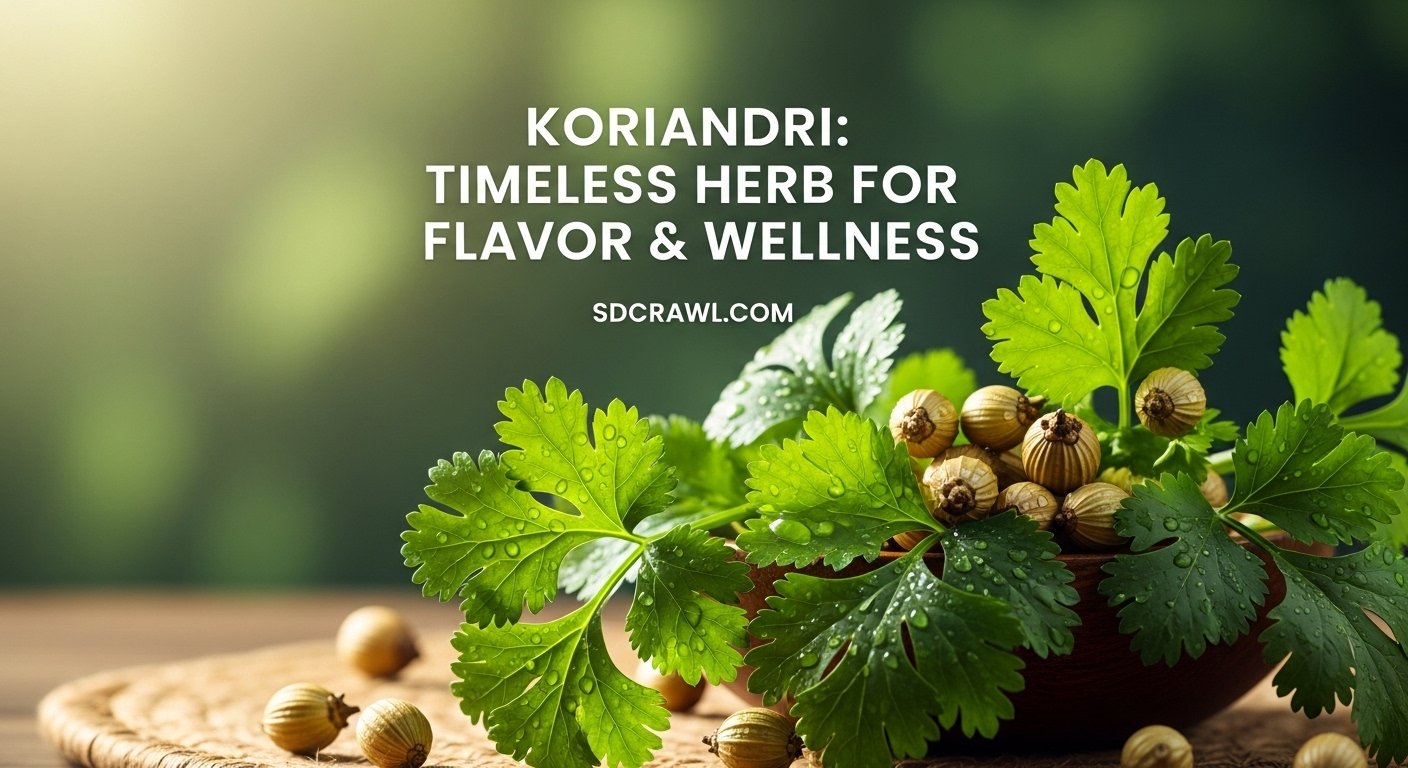
Koriandri, commonly known as coriander or cilantro, has been celebrated across cultures for thousands of years. Its distinctive aroma, vibrant green leaves, and nutrient-rich seeds make it a staple in kitchens worldwide. Beyond its culinary appeal, Koriandri offers multiple health benefits, ranging from digestive support to antioxidant properties. This versatile herb combines flavor and wellness in a way that few plants can match, making it truly timeless.
Historical Roots and Cultural Journey
Koriandri originated in the Mediterranean and Western Asia over 3,000 years ago. Ancient Egyptians used coriander seeds in cooking and medicinal practices, while Greeks and Romans incorporated it into sauces and herbal remedies. Consequently, the herb spread across continents through trade, reaching India, China, and eventually Latin America.
In India, Koriandri became an essential ingredient in curries, chutneys, and spice blends like garam masala. Meanwhile, in Mexico, cilantro—the leaf form of Koriandri—enhanced salsas, soups, and fresh salads. Similarly, Southeast Asian cuisines embraced coriander roots, using them in pastes and soups for earthy flavor. Therefore, Koriandri’s global adoption demonstrates both its adaptability and enduring appeal.
Flavor Profile and Culinary Versatility
Koriandri delivers distinct flavors depending on the part of the plant used. The leaves, often called cilantro, offer fresh, citrusy, and slightly peppery notes. In contrast, the seeds carry warm, nutty, and aromatic characteristics. Consequently, the herb can enhance both savory and sweet dishes.
-
Leaves: Chefs add fresh leaves at the end of cooking to preserve flavor. They garnish curries, soups, salads, and salsas, providing brightness and aroma. For instance, Indian curries benefit from freshly chopped cilantro sprinkled on top, while Mexican dishes gain zest with cilantro-infused salsas.
-
Seeds: Ground or whole, coriander seeds enrich spice blends, pickles, and baked goods. Toasting the seeds before use releases essential oils, intensifying aroma and flavor. Roasted seeds in stews or roasted vegetables elevate ordinary dishes into extraordinary culinary experiences.
-
Roots: In Thai cuisine, coriander roots blend into pastes and broths, offering deep, earthy undertones. Therefore, every part of Koriandri contributes a unique layer to global culinary traditions.
Moreover, Koriandri pairs seamlessly with tomatoes, garlic, lime, cumin, chili, and ginger. Its versatility allows it to complement diverse cooking styles while maintaining a recognizable signature taste.
Nutritional Powerhouse
Koriandri is not only flavorful but also highly nutritious. Its leaves and seeds contain essential vitamins, minerals, and bioactive compounds. For example, the leaves are rich in vitamins A, C, and K, which support vision, immunity, and bone health. Furthermore, potassium, calcium, magnesium, and iron enhance cardiovascular function, muscle performance, and red blood cell production.
Additionally, Koriandri contains antioxidants such as flavonoids and phenolic compounds. These antioxidants neutralize harmful free radicals, protecting cells from oxidative stress. Consequently, incorporating coriander into meals may reduce the risk of chronic diseases.
Koriandri also aids digestion. The seeds stimulate digestive enzymes and alleviate bloating or gas. In traditional medicine, coriander tea promotes gut health and relieves stomach discomfort. Simultaneously, anti-inflammatory compounds in coriander help reduce inflammation in joints and tissues, potentially benefiting conditions like arthritis.
Interestingly, studies suggest that coriander seeds may also help regulate blood sugar. Regular consumption could support glucose management and assist in diabetes care. Additionally, antioxidants and potassium contribute to heart health by maintaining healthy blood pressure and cholesterol levels.
Traditional Medicine and Wellness Applications
Across cultures, Koriandri has been recognized for therapeutic properties. Ayurveda considers it cooling and beneficial for digestion, inflammation, and liver health. Practitioners prescribe coriander powders, teas, and decoctions to treat gastrointestinal issues, urinary problems, and skin conditions.
Similarly, in Chinese medicine, Koriandri supports digestion, reduces nausea, and stimulates circulation. European herbal traditions also emphasize its role in treating infections, fevers, and digestive discomfort.
Today, modern research validates some of these traditional claims. Laboratory studies confirm coriander’s antioxidant, antimicrobial, and anti-inflammatory properties. As a result, the herb bridges ancient wisdom and contemporary science, making it relevant for modern wellness routines.
Cultivation and Sustainability
Koriandri grows well in temperate climates and thrives in well-drained soil with ample sunlight. Gardeners can harvest both leaves and seeds, making it an efficient crop. The herb has a short growth cycle, allowing multiple harvests per season. Consequently, it remains widely available in markets and home gardens.
However, sustainable cultivation practices are crucial. Using organic methods and minimizing chemical fertilizers or pesticides ensures that coriander remains safe, nutritious, and environmentally friendly. Therefore, choosing responsibly grown coriander benefits both health and the planet.
Modern Uses Beyond the Kitchen
Koriandri’s applications extend beyond food and traditional medicine. Coriander oil, extracted from seeds and leaves, finds use in aromatherapy, natural perfumes, and flavorings. Its refreshing aroma can promote mental clarity and relaxation. Additionally, Koriandri features in functional foods, herbal teas, and health supplements aimed at digestion, detoxification, and overall wellness.
Innovative chefs also experiment with Koriandri in unconventional recipes, such as infused oils, dips, smoothies, and desserts. Therefore, the herb maintains its relevance in contemporary culinary trends while honoring its historical roots.
Tips for Daily Incorporation
Incorporating Koriandri into daily life can be simple. For example:
-
Salads: Chop fresh leaves into green salads for extra flavor and antioxidants.
-
Garnishing: Sprinkle fresh cilantro on curries, soups, and stews just before serving.
-
Spice Blends: Toast and grind seeds for seasoning meats, vegetables, or baked goods.
-
Herbal Tea: Brew coriander seeds in hot water to ease digestion.
-
Smoothies: Add fresh leaves to green smoothies for a nutrient boost.
-
Homemade Pastes: Combine coriander roots with garlic, ginger, and chilies to create flavorful sauces or marinades.
Additionally, blending seeds and leaves in creative ways can enhance both taste and wellness benefits simultaneously.
Cultural Significance
Koriandri’s influence extends beyond culinary and medicinal applications. In many cultures, it represents heritage, tradition, and the art of flavor. In Indian cuisine, coriander embodies the essence of traditional cooking. In Mexico and Latin America, cilantro signifies freshness and authenticity. Across continents, Koriandri appears in festive dishes, ritual preparations, and daily meals, reflecting the herb’s deep-rooted significance.
Moreover, Koriandri demonstrates how a single herb can connect cultures. Its presence in global cuisines highlights human ingenuity and the universal appeal of natural flavors. Therefore, Koriandri is not just an ingredient—it is a symbol of shared culinary heritage.
Considerations and Challenges
While Koriandri offers many benefits, some individuals perceive its taste as soapy due to genetic variations affecting olfactory receptors. For these people, using seeds instead of leaves provides flavor without discomfort.
Another important consideration is pesticide use in commercially grown coriander. Opting for organic or home-grown plants reduces chemical exposure while maintaining nutritional integrity. Additionally, washing leaves thoroughly before use helps remove potential contaminants.
Conclusion
Koriandri combines culinary artistry with wellness potential. Its long history, global presence, and diverse applications make it a timeless herb. From fresh garnishes to aromatic seeds, from traditional remedies to modern health products, Koriandri enriches both flavor and life.
By including Koriandri in daily meals, individuals can enjoy vibrant taste, nutritional benefits, and holistic wellness. The herb embodies centuries of cultural wisdom and modern science, proving that nature often holds the most enduring solutions for both flavor and health.
In short, Koriandri is more than a herb; it is a living tradition, a culinary companion, and a natural ally for well-being. Whether in a home garden, a gourmet kitchen, or a wellness routine, Koriandri continues to captivate hearts, taste buds, and bodies worldwide.