
 By mike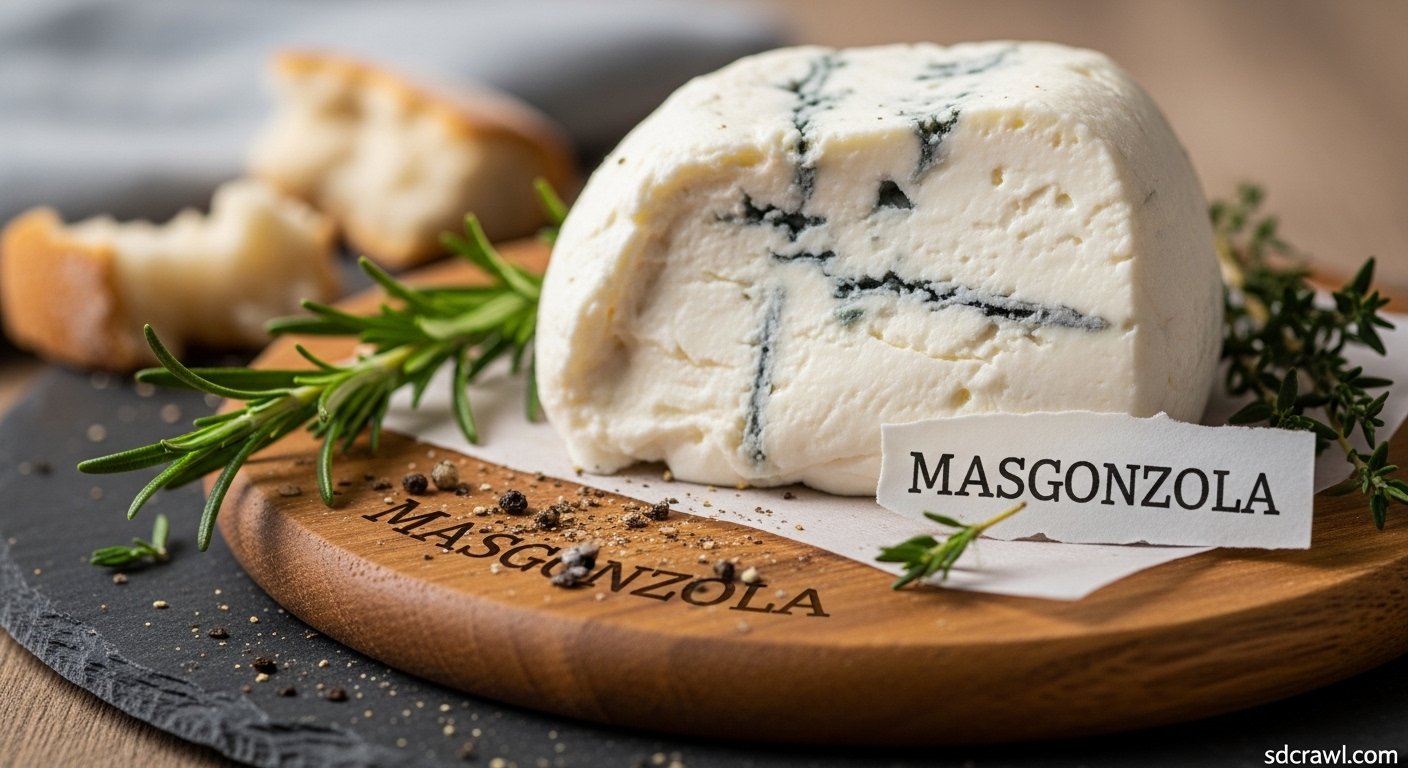
Cheese has long been one of the most cherished culinary delights, especially in Italian cuisine. From the soft, creamy allure of mascarpone to the pungent, bold character of gorgonzola, Italy’s cheeses have captivated taste buds for centuries. Recently, a new artisan creation has entered the gourmet scene—Masgonzola. This innovative cheese brings together the luxurious creaminess of mascarpone with the distinct sharpness of gorgonzola, creating a unique flavor experience that delights food lovers and chefs alike. In this article, we explore the origins, production process, taste profile, culinary applications, and cultural significance of Masgonzola, establishing why it has quickly become a celebrated fusion cheese.
Origins of Masgonzola
Masgonzola is a modern culinary invention inspired by two iconic Italian cheeses: mascarpone and gorgonzola.
Mascarpone, originating from the Lombardy region, is known for its rich, creamy texture and subtle sweet flavor. Traditionally made from the cream of cow’s milk, mascarpone is a key ingredient in desserts like tiramisu and cheesecakes, as well as a luxurious addition to savory dishes like risotto and creamy pasta sauces.
Gorgonzola, on the other hand, is one of the world’s oldest blue cheeses. Hailing from northern Italy, gorgonzola is characterized by its bold, tangy flavor, veined appearance, and slightly crumbly texture. The cheese has a long history dating back to the Middle Ages, where it was produced in small villages near Milan. Its distinct taste and aroma come from the Penicillium glaucum mold, which creates its signature blue-green veins.
Masgonzola was conceived by modern artisan cheesemakers who sought to combine the best of these two contrasting profiles—sweet creaminess and sharp, pungent intensity—into a single cheese. The result is a harmonious balance that appeals to both traditional cheese enthusiasts and adventurous gourmands.
Production Process
The production of Masgonzola requires careful craftsmanship to blend two very different cheese types seamlessly. While precise recipes vary among artisanal producers, the general process involves several key steps:
-
Cream Selection: High-quality cow’s milk cream is selected for its richness. This cream serves as the base, providing the smooth, velvety texture reminiscent of mascarpone.
-
Curd Formation: The milk cream is gently heated and combined with rennet to form curds. At this stage, the process borrows from traditional mascarpone production, focusing on creating a soft, supple curd.
-
Inoculation with Mold: To introduce the gorgonzola flavor, Penicillium glaucum mold is carefully mixed into the curds. This step requires precision to ensure that the mold develops evenly, giving the cheese its characteristic veining and tangy notes.
-
Aging: Unlike pure mascarpone, which is typically fresh and unaged, Masgonzola undergoes a short aging process. This allows the gorgonzola mold to mature slightly without overpowering the creamy sweetness. Aging periods vary, usually between 4 to 6 weeks, depending on the desired intensity of flavor.
-
Final Texture Adjustment: After aging, the cheese is softly blended to achieve a creamy consistency while retaining subtle pockets of blue veining, striking a balance between mascarpone’s softness and gorgonzola’s structured complexity.
Taste and Texture
Masgonzola stands out for its unique sensory profile. Its taste is both complex and approachable:
-
Creaminess: The cheese has a luxurious, smooth texture that melts on the tongue, courtesy of the mascarpone base. This makes it highly versatile for both spreading and melting in recipes.
-
Balanced Sharpness: Unlike traditional gorgonzola, which can be quite pungent, Masgonzola offers a milder tang that complements the creaminess rather than overwhelming it.
-
Sweet and Savory Notes: The interplay of sweet mascarpone and savory gorgonzola creates a layered taste experience. Subtle nutty undertones often emerge, along with a delicate hint of earthy mold flavor.
-
Appearance: Masgonzola usually has a pale ivory body streaked with gentle blue veins. This visually appealing marbling mirrors the harmony of the two cheeses it fuses.
The result is a cheese that is both decadent and bold, satisfying a wide range of palates.
Culinary Applications
Masgonzola’s versatility makes it a favorite among chefs and home cooks. Its combination of creamy sweetness and gentle tang allows it to enhance both savory and sweet dishes.
1. Appetizers and Cheese Boards
Masgonzola can be served on artisanal bread, crackers, or fruit accompaniments. Pairing it with honey, figs, or pears highlights the cheese’s creamy-sweet characteristics, while nuts and cured meats emphasize its savory depth.
2. Pasta and Risotto
In risottos, Masgonzola melts into a smooth, luxurious sauce, creating a rich, flavorful dish without the overwhelming sharpness typical of gorgonzola. It also elevates pasta recipes like penne with cream sauce, gnocchi, or stuffed ravioli.
3. Pizza and Flatbreads
Masgonzola can replace traditional cheeses on gourmet pizzas and flatbreads. Its creamy texture allows for a smooth melt, while its subtle tang adds a sophisticated flavor profile, perfect with toppings like caramelized onions, walnuts, and prosciutto.
4. Desserts
Surprisingly, Masgonzola can be incorporated into desserts. Its sweetness pairs beautifully with chocolate, berries, and pastries. Cheesecake variants or mascarpone-inspired tarts gain depth from the mild gorgonzola infusion.
5. Sauces and Dressings
Masgonzola can be blended into creamy sauces for meats or drizzled as a dressing over roasted vegetables. It brings richness without overpowering other flavors, making it a versatile ingredient in modern gastronomy.
Pairing Masgonzola with Drinks
Choosing the right beverage enhances the Masgonzola experience:
-
Wine: Light red wines like Pinot Noir or Barbera complement the mild tang, while sweet whites like Moscato balance the creamy sweetness.
-
Beer: Belgian ales, pale ales, and mild stouts can harmonize with its layered flavor profile.
-
Non-Alcoholic Options: Sparkling water or apple cider brings a refreshing contrast to the cheese’s richness.
Cultural and Gastronomic Significance
Masgonzola represents a new wave of artisan cheese-making that respects tradition while embracing innovation. It pays homage to Italy’s centuries-old cheese heritage while catering to modern tastes that seek complexity without extremes.
In many ways, Masgonzola reflects broader trends in global cuisine:
-
Fusion without Compromise: Just as fusion cuisine blends elements from multiple culinary traditions, Masgonzola fuses two iconic cheeses without sacrificing the integrity of either.
-
Artisan Craftsmanship: Small-scale cheesemakers focus on quality ingredients, precise aging, and hand-crafted techniques, aligning with the growing demand for artisanal foods.
-
Culinary Creativity: Masgonzola encourages chefs to experiment in the kitchen, inspiring innovative dishes that combine sweet, savory, and tangy flavors.
This cheese is more than just a product; it is a statement about the possibilities of modern gastronomy. It has been embraced in Italian restaurants, gourmet cheese shops, and even international markets where consumers seek distinctive flavors.
Storage and Shelf Life
Masgonzola is delicate and requires proper storage to maintain its texture and flavor:
-
Refrigeration: Keep the cheese in a sealed container in the refrigerator at 2–6°C (35–43°F).
-
Shelf Life: Typically, Masgonzola lasts 2–3 weeks when stored properly. Its freshness is key to enjoying the creamy texture and balanced flavor.
-
Serving Tips: Allow the cheese to come to room temperature for 20–30 minutes before serving to maximize its creamy mouthfeel and flavor intensity.
Conclusion
Masgonzola is a testament to culinary innovation. By fusing mascarpone’s silky creaminess with gorgonzola’s bold tang, it creates a cheese that is both versatile and sophisticated. Its production combines traditional techniques with modern craftsmanship, resulting in a product that appeals to both purists and experimental food lovers.
From cheese boards to pasta dishes, from gourmet pizzas to decadent desserts, Masgonzola enhances every culinary creation it touches. Its emergence in the modern gastronomy scene demonstrates how tradition and innovation can coexist beautifully, offering new taste experiences while honoring Italy’s rich cheese-making heritage.
Whether you are a chef, a home cook, or a cheese enthusiast, Masgonzola invites you to explore a world where creamy indulgence meets tangy sophistication—a true modern fusion of flavors that promises to delight the senses.