
 By mike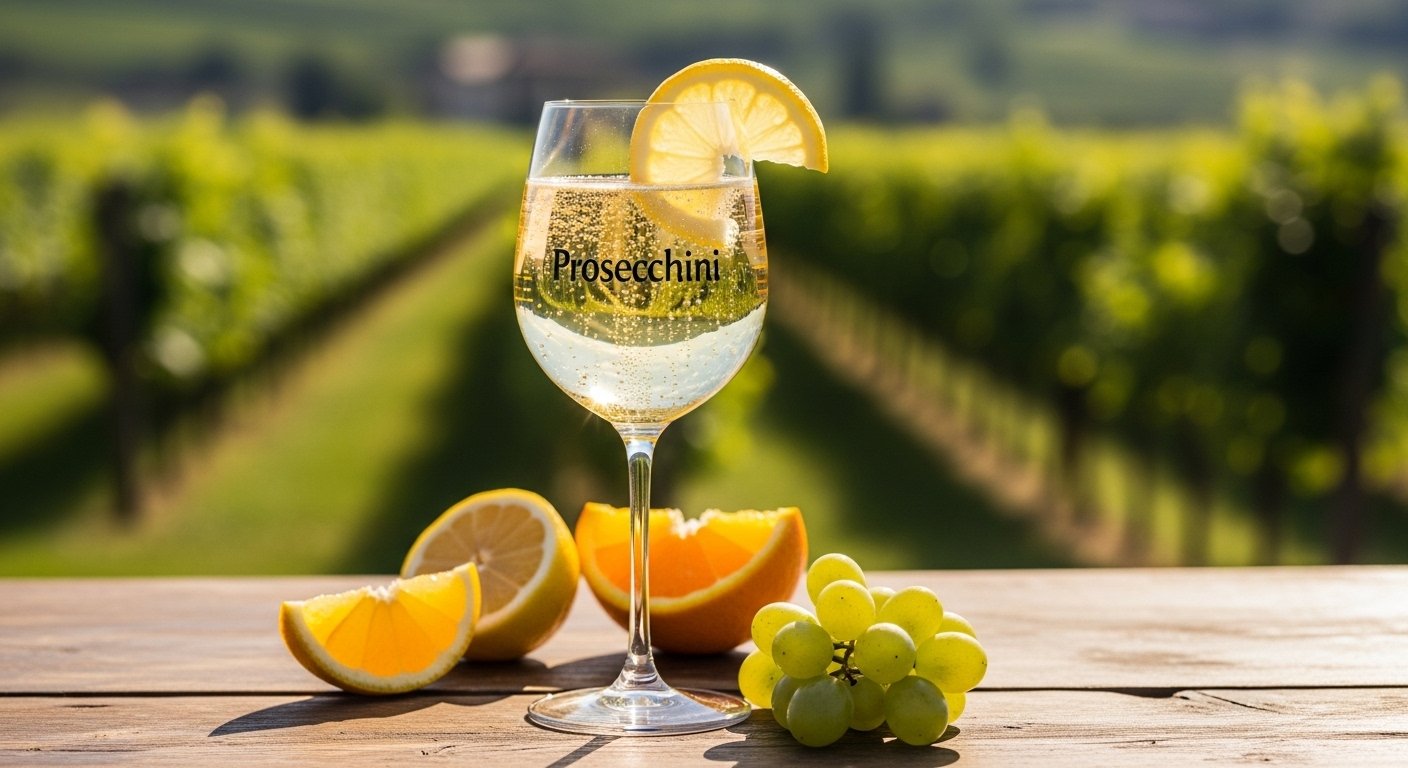
Italy is a country renowned for its culinary traditions, picturesque landscapes, and deep-rooted cultural celebrations. Among its many gastronomic treasures, one beverage has quietly risen from regional favorite to global sensation: Prosecchini. This sparkling drink, with its effervescent charm and delicate flavors, has captivated taste buds from Rome to New York, Tokyo to Sydney. In this article, we explore the origins of Prosecchini, what makes its taste so irresistible, its cultural importance, and why it’s becoming a worldwide favorite.
What Is Prosecchini?
Prosecchini is a refreshing Italian sparkling beverage that merges tradition with modern appeal. Although its name is reminiscent of Prosecco—Italy’s famous sparkling wine—the two differ distinctly. Prosecchini is typically non-alcoholic or lightly fermented, making it accessible to a wider audience, including those who prefer non-alcoholic alternatives.
Its light bubbles, fruity notes, and natural sweetness strike a balance: sophisticated enough to enjoy at a dinner party, yet effortless for a relaxing afternoon with friends. Whether served chilled in a flute glass or poured over ice with fresh fruit, Prosecchini delivers a sensory experience that is both refined and refreshing.
Origins of Prosecchini
The story of Prosecchini begins in the vibrant northeastern regions of Italy, particularly around Veneto and Friuli-Venezia Giulia, areas long celebrated for producing exceptional grapes and sparkling beverages. Local artisans and winemakers, inspired by the centuries-old tradition of crafting Prosecco, began experimenting with lighter, more accessible versions that could appeal to different tastes and occasions.
Unlike traditional Prosecco—which undergoes a controlled fermentation process to develop alcohol and complex flavors—Prosecchini’s production embraces gentle fermentation (or sometimes none at all), preserving delicate aromas and sweetness while keeping alcohol content minimal or absent.
As interest grew among locals who wanted a joyful, everyday sparkling drink without the heaviness of wine, Prosecchini evolved from small production batches to broader distribution. Today, boutique producers in Italy offer a variety of Prosecchini styles, from crisp citrus-forward blends to soft floral and orchard fruit expressions.
Tasting Notes: What Does Prosecchini Taste Like?
The essence of Prosecchini lies in its balance—a delicate dance between natural sweetness, gentle acidity, and irresistible bubbles. While flavors vary depending on the producer and the fruits or botanicals used, a typical Prosecchini experience includes:
Fresh, Lively Bubbles
The sparkle is often softer than that of traditional sparkling wine, creating a smooth and effervescent mouthfeel that feels inviting rather than intense.
Fruity Aromas
Expect notes of citrus (lemon, lime), green apple, pear, and sometimes tropical hints like peach or melon. Some producers also infuse floral elements, such as elderflower or orange blossom, for extra aromatic depth.
Balanced Sweetness
Prosecchini is not overly sweet. The subtle sweetness enhances the fruity character without overpowering the palate or masking the natural flavors.
Clean Finish
One of the hallmarks of a well-crafted Prosecchini is its refreshing finish. It leaves the palate clean and ready for another sip — a quality that makes it perfect for long, leisurely meals or afternoon gatherings.
Food Pairing: What Goes Best With Prosecchini?
Prosecchini’s versatility makes it an excellent companion to various foods. Here are some pairing suggestions that highlight its refreshing character:
Appetizers and Antipasti
Think bruschetta with fresh tomatoes, prosciutto with melon, marinated olives, and light seafood appetizers like shrimp or calamari. The bubbles and acidity of Prosecchini complement salty and savory flavors beautifully.
Fresh Salads
Crisp greens with citrus vinaigrette, arugula with shaved Parmesan, and fruit-based salads all harmonize with Prosecchini’s fruity profile.
Seafood and Light Pasta Dishes
Simple pasta with olive oil, garlic, and parsley, grilled fish, and seafood risotto pair wonderfully, as the drink cleanses the palate without overshadowing delicate flavors.
Dessert
Lighter desserts—such as fruit tarts, sorbet, or panna cotta—work well with sweeter styles of Prosecchini. The drink’s fruity notes enhance the dessert’s flavor without dragging the meal down.
Prosecchini in Italian Culture
In Italy, drinks are more than refreshments—they are part of life’s celebrations, rituals, and social bonds. Prosecchini embodies this cultural spirit perfectly. While Prosecco often graces weddings and festive occasions, Prosecchini fills everyday moments with a touch of joy.
It is common to find locals enjoying Prosecchini during aperitivo hour—Italy’s cherished tradition of pre-dinner relaxation. Served with light snacks and conversation, Prosecchini encourages connection and conviviality, making it as much a social experience as a beverage.
In many Italian towns and cities, small cafés and bars now offer Prosecchini on tap or by the glass, illustrating its integration into contemporary Italian lifestyle. Its acceptance across generations—young and old alike—also reflects a broader shift toward mindful drinking, with more people seeking flavorful alternatives to heavier alcoholic options.
The Rise of Prosecchini Around the World
Over the past decade, Prosecchini has transcended its regional roots and entered the global beverage scene. Several factors contribute to its growing popularity:
Health and Wellness Trends
As consumers become more health-conscious, there’s a rising interest in beverages that deliver flavor and experience without high alcohol content. Prosecchini’s low or non-alcoholic profile makes it attractive to those seeking mindful enjoyment.
Versatility
Prosecchini can be enjoyed on its own, mixed into cocktails, or paired with food. Its adaptability makes it a favorite among bartenders and home entertainers alike.
Ease of Pairing
Unlike heavier wines that require careful pairing choices, Prosecchini’s balanced flavor fits seamlessly into various dining settings—from casual brunches to elegant dinners.
Cultural Curiosity
As global travel and cross-cultural exchange increase, so does the desire to explore regional specialties. Prosecchini, with its authentic Italian heritage, offers an accessible entry point into Italy’s rich beverage culture.
Many boutique beverage importers now bring Prosecchini to markets in Europe, North America, Asia, and Australia. Specialty wine shops and artisan grocery stores showcase different styles, and online platforms allow consumers to discover unique bottles from small Italian producers.
How Prosecchini Is Made: A Peek Behind the Bubbles
The production of it varies from producer to producer, but some common principles guide its creation:
Selecting the Base
Unlike traditional wine, Prosecchini often starts with a blend of fruit juices—commonly grape, but also citrus or other ripe fruits—that provide natural sweetness and aromatic character.
Gentle Fermentation
If fermentation is used, it is typically slower and lighter than in full-alcohol sparkling wines. This creates just enough carbonation while preserving natural fruit flavors.
Carbonation
Some producers choose natural fermentation for carbonation, while others use modern methods to infuse carbon dioxide directly. Both approaches aim to achieve a smooth, fine bubble that enhances the drink’s textural appeal.
Artisanal Touch
Many Prosecchini makers emphasize traditional craftsmanship, minimal additives, and sustainable practices—elements that appeal to contemporary consumers who value authenticity and quality.
Prosecchini Cocktails: Bubbles with Creativity
it mild flavor and lively bubbles make it a brilliant base for creative cocktails. Here are a few popular ideas:
Prosecchini Spritz
-
Prosecchini
-
A splash of sparkling water
-
Fresh orange or lemon slices
-
Mint leaves
This light spritz is perfect for warm afternoons and social gatherings.
Citrus Prosecchini Cooler
-
Prosecchini
-
Fresh grapefruit juice
-
A hint of rosemary
-
Ice
The herbal and citrus notes elevate the drink to a refreshing highlight.
Berry Prosecchini Punch
-
Prosecchini
-
Mixed berries (strawberry, raspberry, blueberry)
-
A touch of honey or agave
-
Optional lime juice
This vibrant punch pairs beautifully with fruit-based desserts and afternoon celebrations.
Sustainability and Local Impact
Many of it producers are committed to sustainable agriculture, organic farming, and low-impact production methods. By prioritizing local fruit sources and eco-friendly practices, these makers contribute positively to their communities and the broader movement toward environmentally responsible beverages.
Italy’s robust tradition of small-scale producers also means that many Prosecchini bottles support local economies and family-run businesses. For consumers, this adds a layer of meaning to every sip—knowing that the drink tells a story of place, people, and passion.
Conclusion: A Drink for Today and Tomorrow
It may have started as a regional curiosity in Italy, but it has grown into a global symbol of refreshment, conviviality, and mindful enjoyment. Its light bubbles, balanced flavor, and cultural authenticity make it more than just a beverage—it’s a way of celebrating life’s moments, big and small.
Whether you’re exploring Italian food culture, hosting a gathering, or simply craving a flavorful drink without heaviness, it offers a delightful choice. With each glass, you experience not just a sparkling drink—but the warmth and joy of Italian tradition.