
 By mike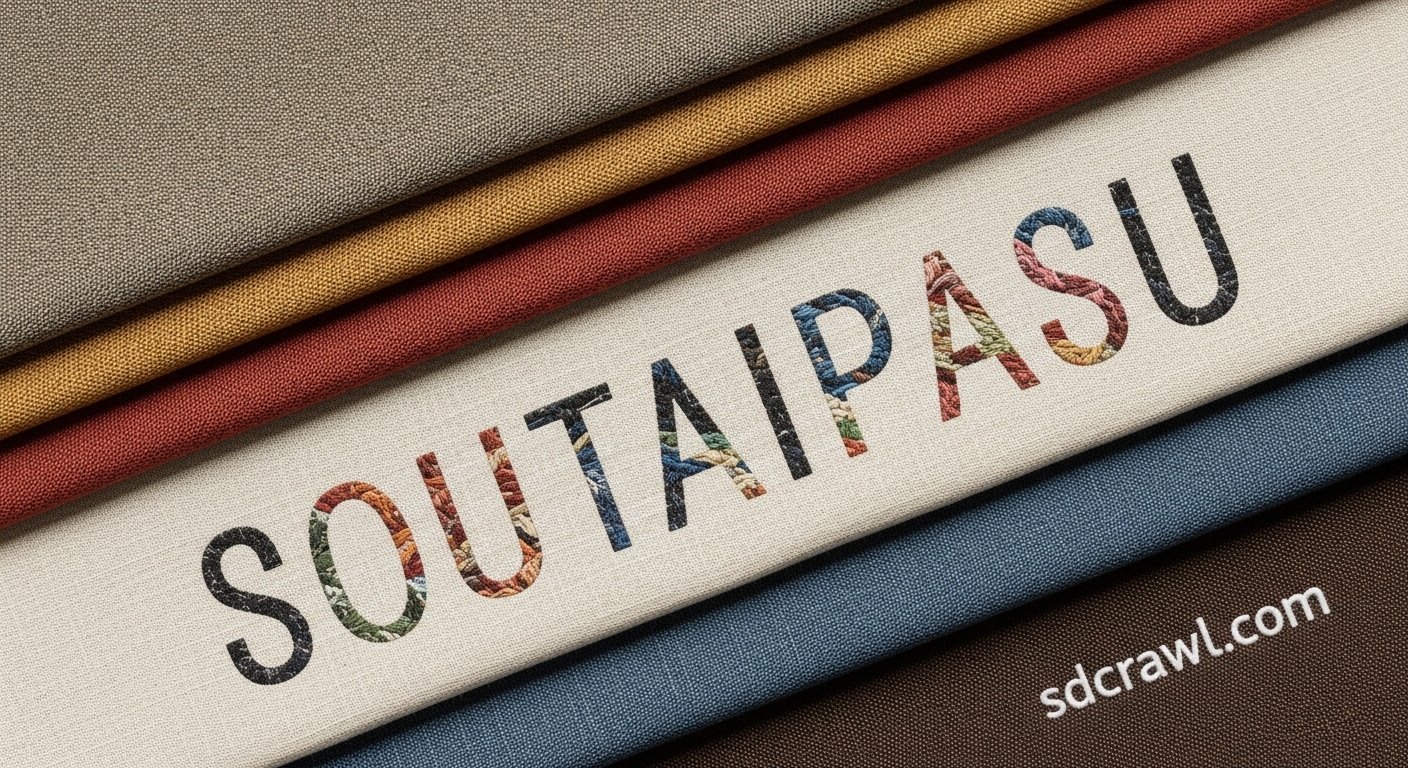
Soutaipasu represents a unique approach to fabric and design, where creativity meets craftsmanship to produce visually appealing and durable textile creations. It is more than simply combining materials; it is a thoughtful process that values quality, texture, and artistic detail. From the selection of premium fabrics to the final finishing touches, Soutaipasu reflects dedication to both beauty and functionality. As modern design trends evolve, Soutaipasu continues to stand out as a concept that celebrates originality while maintaining a strong foundation in traditional textile artistry.
Understanding the Concept of Soutaipasu
Soutaipasu can be described as a method or design philosophy that focuses on layering materials and blending textures to create visually rich and practical fabric products. At its core, Soutaipasu is about storytelling through textiles. Every piece created under this concept carries its own identity, shaped by the fabrics, colors, and patterns used.
The journey of Soutaipasu often begins with careful planning. Designers consider how different fabrics will interact with each other. Some materials provide structure, while others add softness or decorative appeal. The process involves balancing durability with aesthetics, ensuring that each design remains functional while maintaining a strong visual presence.
In many ways, Soutaipasu reflects the growing interest in meaningful design. Instead of mass-produced items lacking character, this approach encourages attention to detail and personalization. Each finished product becomes a representation of creativity and thoughtful craftsmanship.
The Role of High-Quality Fabrics
The foundation of Soutaipasu lies in the use of high-quality fabrics. Materials are carefully selected based on their texture, durability, and compatibility with other elements. A strong base fabric provides the structure needed to support decorative layers, while softer fabrics enhance comfort and style.
Commonly used fabrics include:
- Cotton: Known for its breathability and softness, cotton forms a reliable base for many designs.
- Linen: Valued for its durability and natural appearance, linen adds strength and elegance.
- Wool: Often used for warmth and texture, wool contributes depth to layered designs.
- Silk: Chosen for its luxurious feel, silk adds refinement and visual interest.
- Synthetic blends: These fabrics provide flexibility, resistance to wear, and cost-effective solutions.
Selecting the right fabric is essential because it determines the lifespan of the final product. High-quality materials not only improve durability but also enhance the overall appearance of the design. When fabrics complement each other, the finished piece becomes both attractive and reliable.
The Art of Combining Textures
Texture plays a significant role in the Soutaipasu design process. By combining different textures, designers create depth and visual movement. Smooth fabrics may be paired with rougher materials to produce contrast, while layered textures can create a sense of richness.
For example, a design might include a sturdy base fabric layered with embroidered details. The addition of raised patterns or stitched decorations adds dimension, making the fabric more engaging to look at and touch. Texture also influences how light interacts with the material, enhancing its visual appeal.
Experimentation with texture allows designers to explore endless possibilities. Each combination creates a unique result, making Soutaipasu designs highly customizable and expressive.
The Creative Process Behind Soutaipasu
Creating a Soutaipasu design involves several stages, each requiring careful attention. The process typically begins with an idea or theme. Designers may draw inspiration from nature, culture, architecture, or modern art. Once the concept is clear, the materials are selected based on their compatibility with the chosen theme.
Step-by-Step Creation
- Concept Development
The designer establishes a theme or purpose for the fabric piece. This stage includes sketching ideas and selecting color palettes. - Material Selection
Suitable fabrics are chosen according to texture, durability, and design compatibility. - Pattern Planning
Patterns are arranged to ensure visual balance and structural strength. - Layering and Stitching
Fabrics are layered and secured using stitching techniques. This stage brings the design to life. - Finishing Touches
Decorative elements such as embroidery, trims, or borders are added to complete the design.
This structured process ensures that each piece remains consistent in quality while allowing room for creativity.
Applications of Soutaipasu in Modern Design
Soutaipasu is widely used in various areas of design, particularly in home décor and fashion. Its versatility makes it suitable for multiple purposes, allowing designers to experiment with both traditional and contemporary styles.
H3: Home Décor
In interior design, Soutaipasu-inspired textiles are often used to create warm and inviting spaces. Popular applications include:
- Decorative cushions
- Upholstered furniture
- Curtains and drapes
- Wall hangings
- Area rugs and runners
These items enhance the visual appeal of living spaces while adding comfort and character.
Fashion and Apparel
Soutaipasu techniques are also applied in clothing design. Layered fabrics and textured patterns add individuality to garments. Jackets, scarves, and dresses often benefit from this method, as it allows designers to create distinctive pieces that stand out from standard fashion items.
Sustainability and Responsible Material Use
Modern textile design increasingly emphasizes sustainability, and Soutaipasu aligns well with this trend. By focusing on quality materials and thoughtful construction, this approach encourages longer-lasting products, reducing the need for frequent replacements.
Designers may also incorporate recycled or eco-friendly fabrics into their creations. This reduces waste and promotes responsible resource use. Natural dyes and biodegradable materials further support environmentally conscious design practices.
Sustainability is not only about materials but also about production methods. Efficient cutting techniques and careful planning help minimize leftover fabric. By adopting these practices, Soutaipasu contributes to a more sustainable future for the textile industry.
Cultural Influences in Soutaipasu Design
Textile art has deep cultural roots, and Soutaipasu often reflects these traditions. Many designs draw inspiration from historical patterns, regional motifs, and traditional stitching methods. These cultural elements add authenticity and meaning to the final product.
For instance, geometric patterns may symbolize harmony, while floral motifs represent growth and renewal. By incorporating cultural themes, designers create pieces that connect past traditions with modern aesthetics.
Cultural storytelling through fabric also helps preserve traditional craftsmanship. By adapting these techniques to contemporary design, Soutaipasu keeps heritage alive while introducing it to new audiences.
Innovation Through Technology
While rooted in tradition, Soutaipasu continues to evolve through technological advancements. Modern tools allow designers to experiment with precision and efficiency. Digital design software helps visualize patterns before production begins, reducing errors and saving resources.
Automated stitching machines enable consistent results, especially in large-scale production. However, many artisans still value hand-crafted techniques for their uniqueness and personal touch. The balance between technology and craftsmanship ensures that Soutaipasu remains both innovative and authentic.
Technology also supports customization. Customers can request personalized designs, choosing colors and patterns that match their preferences. This level of flexibility makes Soutaipasu suitable for both individual and commercial applications.
The Importance of Color in Soutaipasu
Color selection is a critical aspect of Soutaipasu design. Colors influence mood, style, and visual impact. Designers carefully choose color combinations to create harmony and contrast.
Neutral tones often serve as a base, providing stability and balance. Bright colors add energy and highlight decorative elements. The use of gradients or layered colors enhances depth, making the design more dynamic.
Color trends change over time, but timeless combinations remain popular. Earth tones, pastels, and bold contrasts are frequently used to create visually appealing results. Understanding color relationships allows designers to achieve consistent and balanced designs.
Challenges in Soutaipasu Creation
Despite its creative potential, Soutaipasu design presents several challenges. Working with multiple fabrics requires precision and patience. Misalignment or uneven stitching can affect the durability and appearance of the final piece.
Material compatibility is another concern. Some fabrics may shrink, stretch, or fade differently, leading to unexpected results. Designers must test materials before combining them to ensure consistent performance.
Time management also plays a role. Detailed designs often require extended production time, especially when using hand-crafted techniques. Balancing creativity with efficiency is essential for maintaining productivity.
The Growing Popularity of Soutaipasu
In recent years, Soutaipasu has gained attention across creative industries. Consumers increasingly value products that combine artistry with functionality. Handmade and layered textile designs are especially popular among those seeking unique décor and fashion items.
Social media platforms and online marketplaces have further expanded the reach of Soutaipasu designs. Designers can showcase their work to global audiences, attracting customers interested in creative textiles. This exposure encourages innovation and collaboration within the industry.
The growing demand for personalized products also supports the popularity of Soutaipasu. Customers appreciate designs that reflect their individual tastes, making this approach highly relevant in modern markets.
Future Possibilities for Soutaipasu
As design trends continue to evolve, Soutaipasu is likely to explore new materials and techniques. Smart textiles, which integrate technology into fabric, may become part of future designs. These materials could provide additional functionality, such as temperature regulation or enhanced durability.
Collaborations between designers and material scientists may lead to innovative fabric blends. Sustainable alternatives, such as plant-based fibers, will likely play a significant role in shaping the future of textile design.
Educational programs and workshops may also support the growth of Soutaipasu. By teaching new generations of designers, these initiatives ensure that the art of layered textile creation remains relevant and accessible.
Why Soutaipasu Matters in Modern Design
Soutaipasu stands as a symbol of creativity, patience, and thoughtful craftsmanship. In a world where fast production often dominates, this approach highlights the value of time and attention to detail. Each piece reflects a balance between structure and artistic expression.
By focusing on quality materials and innovative techniques, Soutaipasu encourages designers to explore new possibilities while respecting traditional methods. The result is a versatile design philosophy that adapts to changing trends without losing its identity.
Whether used in fashion, home décor, or artistic installations, Soutaipasu continues to inspire designers and consumers alike. Its emphasis on texture, color, and durability ensures that each creation remains both functional and visually captivating.
Conclusion
Soutaipasu represents a creative journey that begins with carefully selected fabrics and ends with beautifully crafted designs. Through the thoughtful combination of materials, textures, and colors, this approach transforms simple fabrics into meaningful works of art. Its versatility allows it to adapt to various industries, from interior design to fashion, making it an essential concept in modern textile creativity.
As sustainability, innovation, and personalization become more important in design, Soutaipasu offers a practical and artistic solution. By valuing quality and craftsmanship, it continues to shape the future of fabric and design, proving that creativity and durability can exist together in harmony.