
 By mike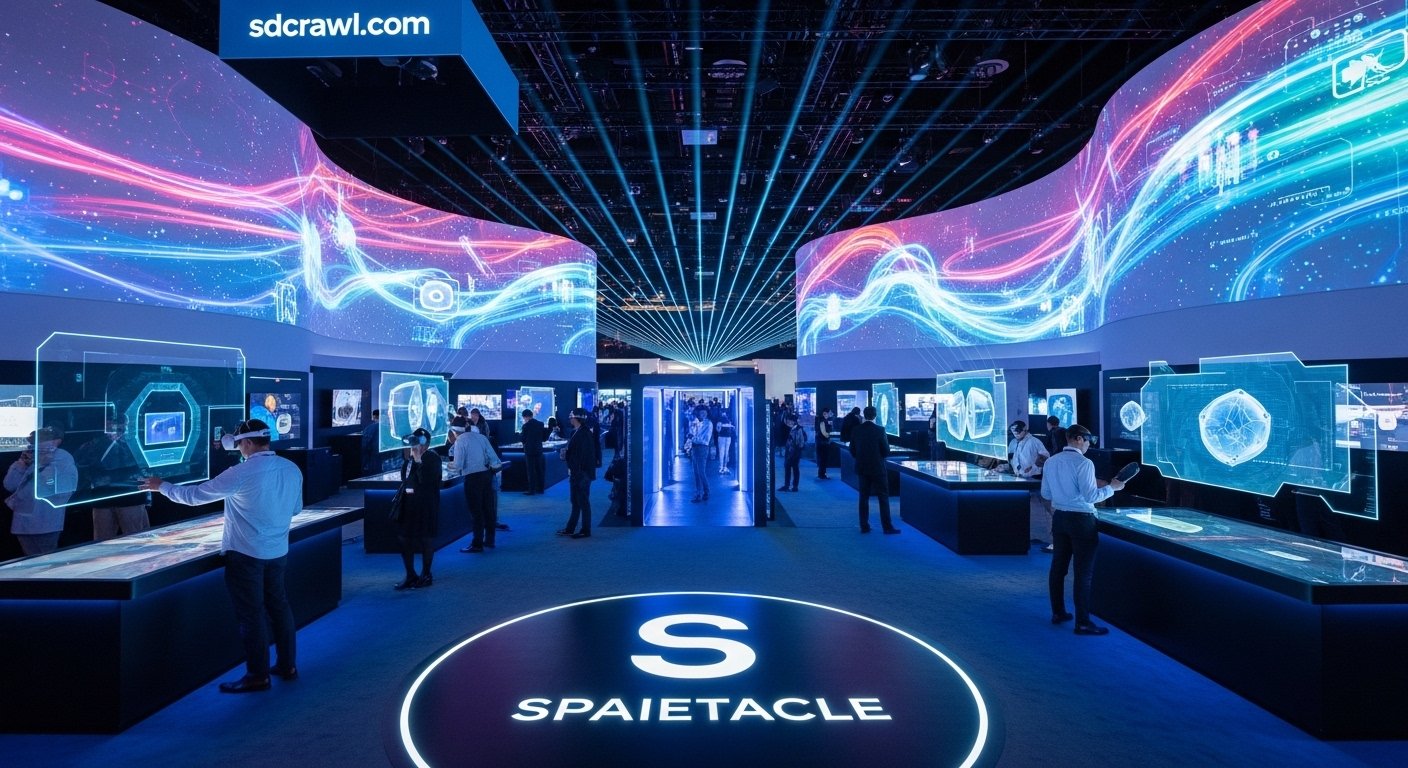
In today’s world, the way we experience spaces is evolving rapidly. From traditional architecture to virtual environments, spaces are no longer static backdrops but dynamic canvases that engage our senses. At the forefront of this transformation is Spaietacle, a groundbreaking concept that turns ordinary spaces into extraordinary spectacles. By combining cutting-edge design, immersive technology, and creative vision, Spaietacle is redefining how we perceive and interact with our surroundings.
What is Spaietacle?
The term “Spaietacle” itself is a fusion of “space” and “spectacle,” symbolizing the transformation of physical or virtual spaces into visually stunning, interactive experiences. Unlike conventional architecture or interior design, Spaietacle emphasizes experience over mere aesthetics. It leverages technology, lighting, sound, and spatial design to evoke emotions, tell stories, and create unforgettable moments.
At its core, Spaietacle is not just about decoration—it’s about immersion. Whether in a museum, retail environment, corporate space, or entertainment venue, Spaietacle aims to captivate visitors, encouraging them to engage deeply with the space. The result is an environment that is not only functional but also inspirational, memorable, and emotionally resonant.
The Technology Behind Spaietacle
The magic of Spaietacle lies in its innovative use of technology. Modern immersive experiences require a blend of hardware, software, and creative design, and Spaietacle employs all three to transform environments. Some key technologies include:
1. Projection Mapping
Projection mapping allows designers to project visuals onto irregular surfaces, creating the illusion of movement and depth. This technology is often used to turn walls, ceilings, and floors into dynamic canvases that react to motion or time of day. Imagine walking into a room where the walls ripple like water or where a forest grows around you as you move—projection mapping makes this possible.
2. Augmented Reality (AR) and Virtual Reality (VR)
AR and VR technologies enable experiences that are both interactive and immersive. In a Spaietacle-designed space, AR can overlay digital information onto physical objects, while VR can transport users into entirely virtual environments. Museums, galleries, and retail spaces are increasingly adopting these tools to enhance visitor engagement and create memorable experiences.
3. Smart Lighting and Sensors
Lighting is crucial in creating mood and guiding attention. Spaietacle often integrates smart lighting systems that adapt based on visitor movement or time of day. Coupled with motion sensors, these lights can highlight specific areas, create dynamic shadows, or even interact with visitors in real time. This responsiveness adds an element of surprise and interactivity that standard static lighting cannot achieve.
4. Sound Design
Immersive sound is another cornerstone of the Spaietacle experience. Directional audio, ambient soundscapes, and spatial sound effects create a multi-sensory environment. The combination of visual and auditory stimuli ensures that visitors are not merely observers but participants in a rich, engaging narrative.
5. Interactive Installations
Beyond visuals and sound, Spaietacle often incorporates tactile and interactive elements. Touch-sensitive surfaces, motion-controlled displays, and even scent diffusers can contribute to the immersive experience. By engaging multiple senses, Spaietacle creates spaces that feel alive and responsive.
Applications of Spaietacle
The versatility of Spaietacle allows it to be applied across a wide range of industries and environments. Some of the most impactful applications include:
1. Museums and Exhibitions
Traditional museum displays are often static and limited in their storytelling capabilities. Spaietacle transforms these spaces by creating interactive exhibits that engage visitors on multiple levels. For instance, historical artifacts can be brought to life through projection mapping, while VR simulations allow visitors to experience historical events firsthand. This approach not only educates but also captivates, making learning more memorable and enjoyable.
2. Retail Spaces
Retail environments are increasingly turning to immersive design to enhance the customer experience. Spaietacle allows stores to create thematic spaces that reflect their brand identity and entice shoppers. Interactive displays, changing projections, and responsive lighting can make a retail visit feel like an adventure, encouraging longer engagement and higher sales.
3. Corporate Environments
Workspaces designed with Spaietacle principles can boost creativity, collaboration, and employee satisfaction. Offices can feature dynamic lighting, interactive meeting areas, and inspiring visual displays that stimulate productivity. Companies using Spaietacle-inspired design report not only improved employee morale but also enhanced brand perception among clients and visitors.
4. Entertainment Venues
From theaters to concert halls to theme parks, entertainment venues benefit immensely from Spaietacle design. Immersive projections, synchronized soundscapes, and interactive installations can elevate performances, creating unforgettable experiences for audiences. Theaters, in particular, can use projection mapping and VR to extend storytelling beyond the stage, immersing audiences in the narrative.
5. Public Spaces
Urban planners are increasingly exploring Spaietacle concepts for parks, plazas, and streetscapes. Interactive installations, projection art, and immersive lighting can turn public spaces into community landmarks that foster social interaction and cultural engagement. Such spaces not only beautify the environment but also encourage public participation and enjoyment.
The Creative Process of Spaietacle
Creating a Spaietacle environment requires a careful blend of art, technology, and psychology. The process typically involves several stages:
-
Concept Development: Designers collaborate with clients to define the purpose, audience, and desired emotional impact of the space.
-
Spatial Analysis: The physical space is analyzed for dimensions, lighting, acoustics, and traffic flow to determine how immersive elements can be integrated.
-
Technology Integration: Appropriate technologies—projection, AR/VR, lighting, sound—are selected and customized for the space.
-
Content Creation: Visuals, audio, and interactive elements are created, often using 3D modeling, animation, and sound design tools.
-
Installation and Testing: The immersive elements are installed, calibrated, and tested to ensure seamless functionality and user experience.
-
Iteration and Optimization: Feedback from users and performance metrics are used to refine the experience, ensuring it remains engaging and impactful.
The key to successful Spaietacle design is balancing technology with human experience. Overloading a space with flashy visuals or sound can be overwhelming, while subtle, well-integrated elements can create profound emotional resonance.
Real-World Examples of Spaietacle
Several organizations have already embraced Spaietacle-inspired design to transform their spaces. For example:
-
Immersive Art Exhibitions: Artists like teamLab in Tokyo have created interactive digital installations where visitors become part of the artwork itself. These exhibitions blend projection mapping, sensors, and sound to produce highly immersive experiences.
-
Retail Innovations: Flagship stores of brands such as Nike and Apple use dynamic lighting, interactive screens, and motion-sensitive displays to create engaging shopping experiences that reinforce brand identity.
-
Corporate Headquarters: Companies like Google and Salesforce have integrated immersive design principles into their offices, using flexible workspaces, projection displays, and interactive installations to foster creativity and collaboration.
These examples illustrate that Spaietacle is not just a concept—it is a practical approach that can enhance experiences across industries.
Benefits of Spaietacle
Implementing Spaietacle design offers numerous benefits:
-
Enhanced Engagement: Visitors are more likely to remember and interact with spaces that stimulate multiple senses.
-
Emotional Impact: Immersive environments evoke emotions, creating memorable experiences that leave lasting impressions.
-
Brand Differentiation: For businesses, Spaietacle can distinguish a brand by offering unique, memorable experiences that competitors may not provide.
-
Educational Value: In museums or exhibitions, Spaietacle facilitates learning by combining information with engaging storytelling.
-
Cultural Enrichment: Public and cultural spaces designed with Spaietacle principles can foster community participation, creativity, and cultural appreciation.
Challenges and Considerations
Despite its potential, Spaietacle also presents challenges. High-quality immersive experiences can be expensive, requiring advanced technology and skilled designers. Maintenance and updates are also crucial to ensure that installations remain functional and relevant.
Moreover, designers must consider accessibility to ensure that all visitors, including those with disabilities, can fully enjoy the space. Balancing interactivity with comfort, avoiding sensory overload, and maintaining safety are essential considerations in Spaietacle design.
The Future of Spaietacle
The future of Spaietacle is bright, as technological advancements continue to expand the possibilities of immersive design. AI-driven content, holographic displays, and more sophisticated AR/VR experiences will enable spaces to become even more responsive and interactive.
Imagine a future where city streets, office buildings, and homes can adapt in real time to occupants’ moods, preferences, or needs. Museums could offer fully personalized tours, and retail stores could tailor experiences for individual shoppers. The boundaries between physical and digital spaces will continue to blur, creating environments that are both functional and magical.
Conclusion
Spaietacle is revolutionizing how we experience the world around us. By transforming ordinary spaces into immersive spectacles, it blends art, technology, and human experience into environments that educate, inspire, and entertain. From museums and retail stores to offices and public spaces, Spaietacle offers endless possibilities for creativity and engagement.
As technology advances and our appetite for immersive experiences grows, Spaietacle will continue to shape the spaces we inhabit, transforming them from mere locations into unforgettable experiences. In a world where attention is precious and experiences define value, Spaietacle stands as a testament to the power of design, imagination, and innovation.