
 By mike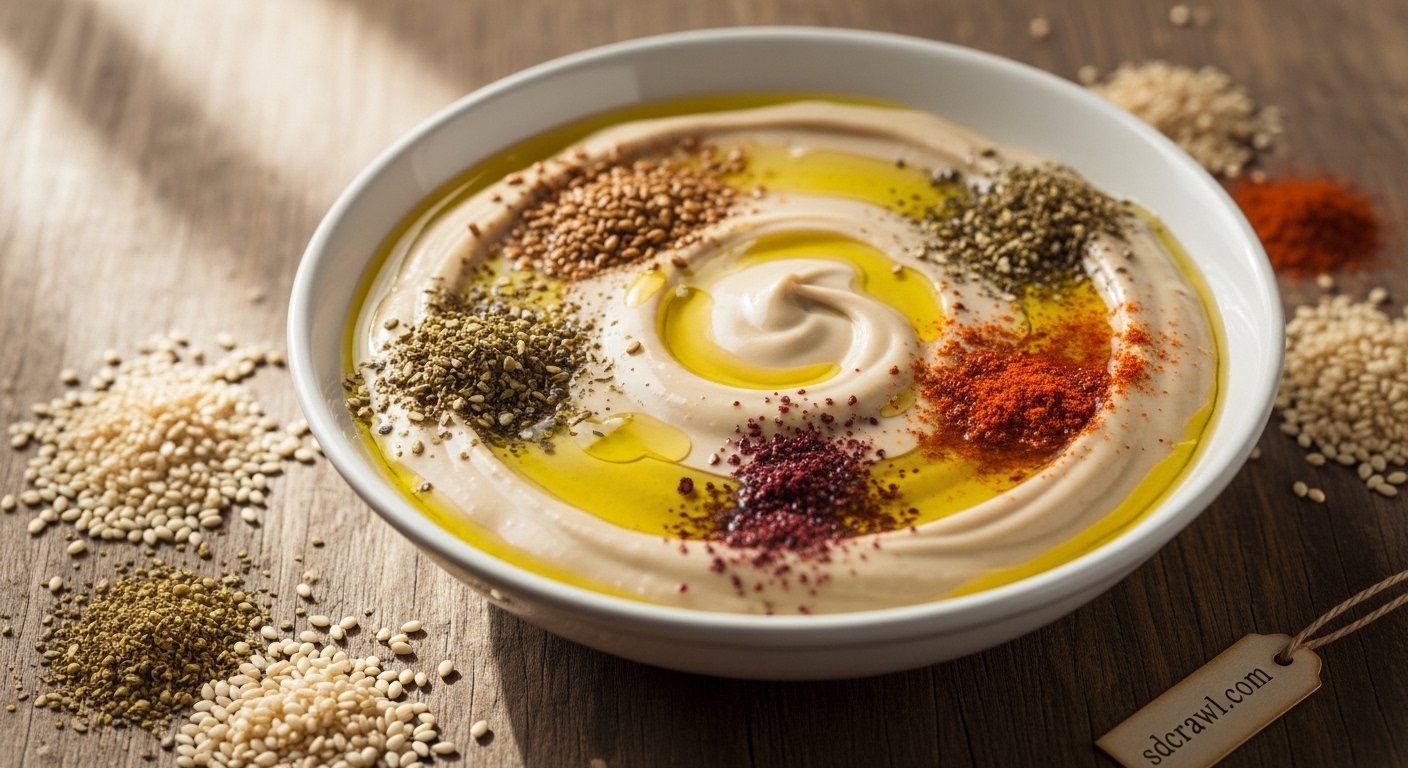
Tahini, a creamy and nutty paste made from ground sesame seeds, has been an essential part of Middle Eastern cuisine for centuries. Its rich flavor and versatility have made it a staple not only in traditional dishes but also in modern culinary innovations around the world. From hummus to salad dressings, desserts to sauces, tahini has carved a niche in kitchens everywhere, offering both taste and nutrition. Beyond its delicious taste, tahini embodies centuries of cultural history, making it both a culinary and cultural treasure.
The Origins of Tahini
Tahini has its roots deeply embedded in the Middle East, with historical records tracing its existence back thousands of years. Sesame seeds, the primary ingredient, are among the oldest oilseed crops known to humankind. They were cultivated in Mesopotamia and the Indus Valley, and their oil was highly prized for culinary, cosmetic, and medicinal purposes. Early recipes used tahini as a source of nutrition and flavor enhancement, and over time, it became an integral part of Middle Eastern diets.
The word “tahini” itself originates from the Arabic word “ṭaḥīniyya,” which translates to “to grind” or “to crush,” reflecting the process used to create this smooth and creamy paste. Traditionally, sesame seeds were lightly roasted and then ground into a fine, oily paste, giving tahini its distinctive texture and flavor. Ancient civilizations valued sesame not only for its taste but also for its long shelf life, making tahini a practical staple for both everyday meals and long journeys.
Over time, tahini spread across cultures and continents, appearing in Greek, Turkish, and North African cuisines. Each region developed its unique variations, adjusting roasting levels, textures, and combinations with other ingredients. Today, tahini is a beloved global ingredient, celebrated not just for flavor but also for its nutritional benefits.
How Tahini is Made
Making tahini may seem simple, but it is a delicate process that significantly affects the flavor and consistency of the final product. It begins with selecting high-quality sesame seeds, which can be either raw or lightly roasted. Roasting the seeds enhances their nutty aroma, giving the tahini a richer taste. After roasting, the seeds are ground into a paste, traditionally using a stone grinder or, in modern production, mechanical grinders.
Some variations of tahini include the addition of a small amount of oil to create a smoother texture, while others rely solely on the natural oil present in sesame seeds. The resulting paste is creamy, slightly oily, and can range in color from pale beige to a deeper golden hue, depending on the roasting process. Some artisanal tahini brands even grind the seeds multiple times to achieve an ultra-smooth texture, while others preserve a slight coarseness for added character.
The quality of sesame seeds and the roasting method make a noticeable difference in flavor. Lightly roasted seeds yield a mild, delicate tahini, while darker roasts produce a robust, slightly bitter paste. The grinding process also affects texture: slow grinding retains a creamy, spreadable consistency, whereas fast industrial grinding can sometimes produce a slightly gritty paste.
Nutritional Benefits of Tahini
Tahini is not just delicious; it’s packed with nutrients, making it a powerhouse ingredient for a healthy diet. It is an excellent source of healthy fats, particularly unsaturated fats, which help maintain heart health and support brain function. Sesame seeds contain lignans, powerful antioxidants that reduce inflammation, support cardiovascular health, and contribute to hormone balance.
In addition to healthy fats, tahini is rich in essential minerals such as calcium, magnesium, iron, phosphorus, and zinc. Calcium and magnesium promote bone health, while iron and zinc are vital for immune function and energy production. These minerals make tahini particularly valuable in vegetarian and vegan diets, which can sometimes lack adequate sources of these nutrients.
Protein is another important component of tahini. While it may not provide as much protein as legumes, it offers a plant-based protein source that supports muscle repair and overall energy. Tahini also contains dietary fiber, which aids digestion and contributes to feelings of fullness. Vitamins such as B-complex vitamins support metabolism, nerve function, and skin health.
Regular consumption of tahini can contribute to heart health, improved bone density, immune support, and better digestion. Its combination of taste and nutrition explains why tahini has remained popular across cultures and generations.
Culinary Uses of Tahini
One of tahini’s greatest strengths is its versatility in the kitchen. It can be incorporated into both savory and sweet dishes, enhancing flavor and texture without overpowering other ingredients.
Savory Dishes
Tahini is perhaps most famously known as a key ingredient in hummus, the beloved chickpea dip. Blended with chickpeas, olive oil, lemon juice, and garlic, tahini gives hummus its smooth, creamy consistency and nutty undertone. It is also essential in baba ghanoush, a roasted eggplant dip, where tahini balances the smokiness of the vegetables.
Middle Eastern salads frequently feature tahini-based dressings. For instance, tahini can be mixed with lemon juice, garlic, water, and a pinch of salt to create a tangy, nutty dressing for fresh vegetables and grains. It can also be used as a sauce for falafel, shawarma, grilled meats, or roasted vegetables, adding richness and depth to every bite.
Tahini’s unique consistency allows it to be both a dip and a sauce. It can be thinned with water, lemon juice, or yogurt to create a smooth, pourable dressing, or kept thick to spread on flatbreads or sandwiches.
Sweet Dishes
Tahini is equally at home in desserts. In countries like Israel, Lebanon, and Turkey, tahini is used in pastries, cookies, and halva—a sweet confection made from sesame paste and sugar. Its slightly bitter undertone pairs beautifully with honey, chocolate, or dried fruits, creating a balanced flavor profile that enhances sweets without overwhelming them.
Baking with tahini is gaining popularity in modern culinary trends. From tahini brownies to cookies and even ice creams, chefs and home cooks alike are experimenting with this versatile paste to introduce nutty, creamy layers of flavor into desserts. Its natural oil content helps baked goods remain moist, adding richness without the need for additional butter or oil.
Innovative Uses
Beyond traditional dishes, tahini is being reimagined in contemporary cuisine. Smoothies, protein bowls, and even coffee drinks now occasionally feature tahini for its rich, nutty flavor and creamy texture. Tahini-based spreads and sauces are also being used in sandwiches, grain bowls, and as toppings for roasted vegetables or pizza, showcasing its adaptability across a wide range of flavors and cultures.
Tahini also works as a natural emulsifier, meaning it can blend oil and water-based ingredients together in sauces or dressings, making it a valuable ingredient for creative culinary applications.
Choosing and Storing Tahini
Not all tahini is created equal. When selecting tahini, consider the type of sesame seeds used (hulled vs. unhulled), the roasting level, and whether it is raw or roasted. Hulled sesame seeds produce a smoother, milder tahini, while unhulled seeds create a slightly bitter, more nutrient-dense paste. Lightly roasted seeds enhance flavor, while raw seeds preserve more nutrients.
Tahini should be stored in a cool, dark place, and once opened, it’s best kept in the refrigerator to maintain freshness. Stirring is often required before use, as natural oil separation occurs. A well-stirred, creamy consistency indicates high-quality tahini ready for culinary use.
For homemade tahini, it is best to consume it within a few weeks to ensure freshness, while store-bought varieties may last several months, especially if refrigerated.
Health and Lifestyle Trends
With the rise of plant-based diets and superfoods, tahini has gained recognition as a health-conscious ingredient. Its nutrient-dense profile makes it a staple for those seeking natural, wholesome food options. Tahini’s healthy fats, protein, and antioxidants align perfectly with modern wellness trends, including veganism, keto diets, and Mediterranean eating patterns.
Beyond nutrition, tahini is celebrated for its simplicity and sustainability. Sesame seeds require relatively low resources to grow, and their transformation into tahini is straightforward, making it a pantry-friendly superfood that supports eco-conscious cooking.
Cultural Significance
Tahini is more than just a food ingredient; it holds cultural and historical significance in Middle Eastern societies. Sharing tahini-based dishes, such as hummus or baba ghanoush, is often a social activity, symbolizing hospitality and community. Traditional recipes are passed down through generations, preserving culinary heritage and connecting people to their roots.
Tahini’s global reach also reflects cultural exchange and culinary evolution. Today, it is a familiar component in kitchens worldwide, from New York to Tokyo, bridging traditional Middle Eastern flavors with modern tastes.
Simple Tahini Recipes to Try at Home
Classic Tahini Sauce
Ingredients:
- 1/2 cup tahini
- 1/4 cup lemon juice
- 1–2 cloves garlic, minced
- 1/4 cup water
- Salt to taste
Instructions:
- In a bowl, whisk tahini and lemon juice until smooth.
- Gradually add water to reach desired consistency.
- Stir in garlic and salt.
- Serve over salads, roasted vegetables, or grilled meats.
Tahini Cookies
Ingredients:
- 1/2 cup tahini
- 1/2 cup sugar
- 1 egg
- 1/2 teaspoon vanilla extract
- Pinch of salt
Instructions:
- Preheat oven to 350°F (175°C).
- Mix all ingredients in a bowl until smooth.
- Drop spoonfuls of dough onto a baking sheet.
- Bake for 10–12 minutes or until edges are golden.
- Cool and enjoy a nutty, rich treat.
Tahini Smoothie
Ingredients:
- 1 banana
- 1 tablespoon tahini
- 1 cup almond milk
- 1 teaspoon honey (optional)
Instructions:
- Blend all ingredients until smooth.
- Pour into a glass and enjoy a creamy, protein-rich drink.
Conclusion
Tahini is much more than a simple sesame seed paste; it’s a culinary treasure with deep roots in Middle Eastern culture and a growing presence in global cuisine. Its creamy texture, nutty flavor, and nutritional benefits make it an indispensable ingredient for both traditional dishes and modern culinary creations. Whether drizzled over a salad, blended into a smoothie, or baked into cookies, tahini offers a unique combination of taste, health, and versatility.
Embracing tahini in everyday cooking not only enriches flavors but also connects us to centuries of tradition and cultural heritage. As the world continues to explore plant-based and nutrient-rich diets, tahini stands out as a timeless ingredient that is as relevant today as it was thousands of years ago.