
 By mike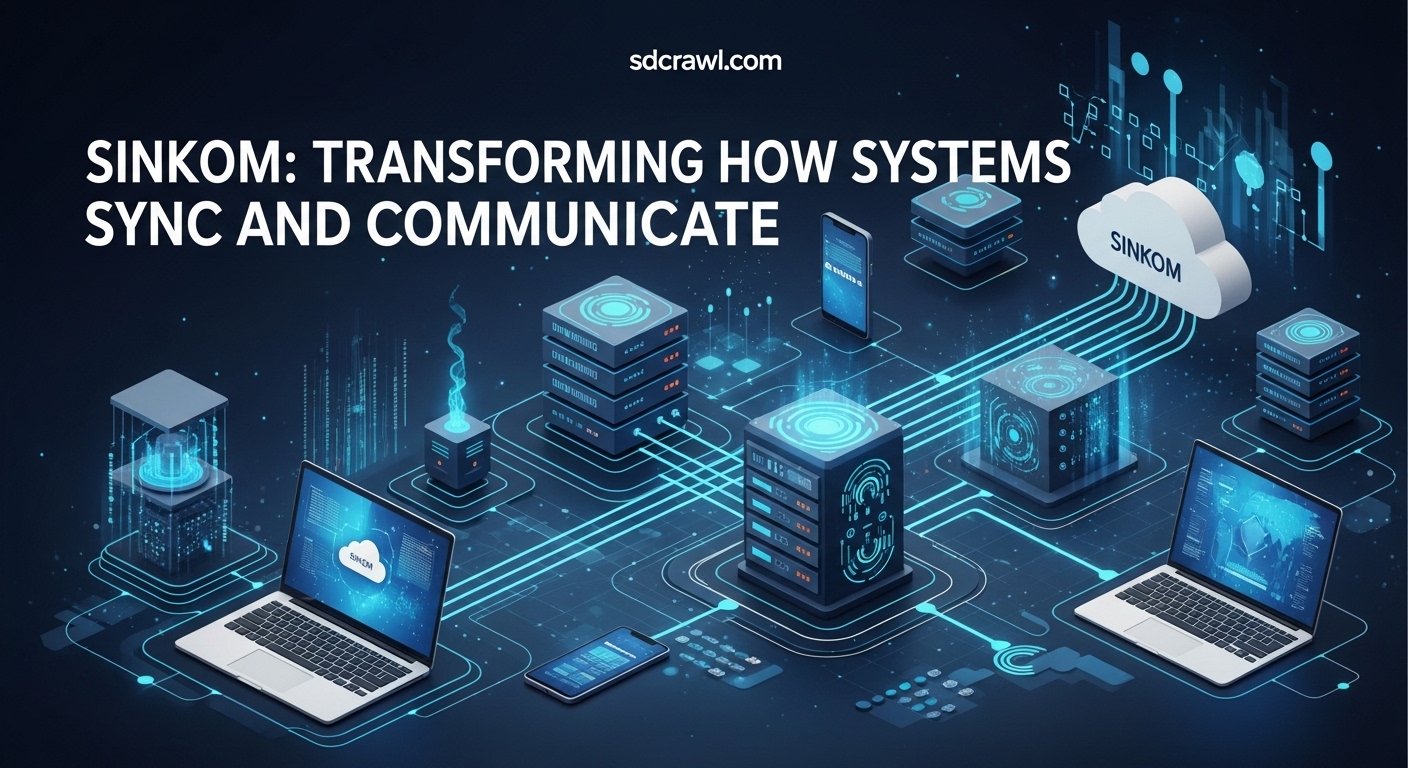
In today’s fast-moving digital world, technology is no longer limited to isolated systems working independently. Instead, modern digital environments depend heavily on systems that can communicate, synchronize, and integrate seamlessly with one another. This growing need for connected systems has given rise to new concepts designed to improve efficiency and communication. One such emerging idea is Sinkom.
Sinkom represents a powerful shift in how digital systems operate together. It focuses on integration, synchronization, and communication across platforms, devices, and networks. As businesses, organizations, and individuals rely more on digital tools, the importance of synchronized systems becomes greater than ever before. Sinkom offers a framework that helps systems share data in real time, maintain consistency, and function as a unified whole.
This article explores what Sinkom means, how it works, its benefits, applications, challenges, and its future role in shaping the digital world.
What Is Sinkom?
Sinkom is an emerging concept that refers to the synchronization and communication of multiple systems within a unified digital environment. The word itself reflects the combination of synchronization and communication, two essential elements that enable digital systems to work together effectively.
In simple terms, Sinkom ensures that different systems share information at the right time and in the correct format. Whether it is a mobile app syncing with a cloud server or a company database communicating with customer management software, Sinkom provides the structure needed for smooth operation.
Traditionally, systems were built to function independently. However, modern technology demands interconnected environments where data flows seamlessly across multiple platforms. Sinkom addresses this need by ensuring that systems remain synchronized and capable of communicating without delays or conflicts.
The Core Elements of Sinkom
Sinkom is built on three main pillars: integration, synchronization, and communication. Each plays a vital role in making systems work together efficiently.
1. Integration
Integration refers to connecting different systems so they can share data and resources. For example, an online store integrates payment gateways, inventory systems, and customer databases into one platform.
Without integration, systems would operate separately, causing inefficiencies and data duplication. Sinkom ensures integration happens smoothly, allowing systems to function as one unified network.
2. Synchronization
Synchronization ensures that all connected systems have updated and consistent data. Imagine editing a document on your phone and seeing the changes instantly on your laptop. That is synchronization in action.
In business environments, synchronization prevents errors caused by outdated information. It ensures that employees and systems always access the most current data.
3. Communication
Communication involves the exchange of data between systems. It allows software, devices, and networks to send and receive information quickly and accurately.
Sinkom enhances communication by using advanced protocols and data-sharing methods that minimize delays and errors.
Why Sinkom Matters in the Digital Age
As digital technology evolves, the demand for connected systems continues to grow. Businesses rely on multiple tools such as accounting software, customer management systems, and cloud storage platforms. Without proper synchronization, these systems can create confusion and inefficiencies.
Sinkom matters because it improves productivity, reduces errors, and enhances collaboration. It allows systems to function together in harmony rather than working in isolation.
In industries such as healthcare, finance, and logistics, accurate and timely data is critical. Sinkom helps ensure that information moves smoothly between systems, reducing the risk of mistakes and delays.
How Sinkom Works
Sinkom works by creating structured pathways for data exchange between systems. These pathways are supported by technologies such as APIs (Application Programming Interfaces), cloud computing, and real-time communication protocols.
When one system updates information, Sinkom ensures that the update is automatically shared with other connected systems. This process happens almost instantly, allowing all systems to remain synchronized.
For example, when a customer places an order on an online store, Sinkom allows the inventory system, payment processor, and shipping service to update simultaneously. This coordination ensures smooth operation and improves customer satisfaction.
Applications of Sinkom in Different Industries
Sinkom is not limited to one area. It has practical applications across many industries that rely on data synchronization and communication.
1. Business and Enterprise Systems
Businesses use multiple software tools to manage operations. Sinkom integrates these tools, allowing departments to share information in real time.
For example, sales data can automatically update accounting records and inventory levels. This reduces manual work and improves efficiency.
2. Healthcare Systems
In healthcare, accurate patient data is essential. Sinkom enables hospitals and clinics to synchronize medical records across departments.
Doctors can access updated patient information instantly, improving diagnosis and treatment decisions.
3. Smart Homes and IoT Devices
Smart homes rely on connected devices such as thermostats, lights, and security systems. Sinkom ensures these devices communicate with each other effectively.
For example, a smart security system can automatically adjust lighting and send alerts to a smartphone when unusual activity is detected.
4. Financial Services
Banks and financial institutions handle large volumes of transactions daily. Sinkom helps synchronize account data, ensuring accurate records across systems.
Real-time updates allow customers to view their latest balances and transaction history instantly.
5. Education Platforms
Online learning platforms use Sinkom to synchronize student progress, assignments, and feedback.
Teachers and students can access updated information, making remote learning more efficient.
Benefits of Sinkom
Sinkom offers several advantages that make it valuable in modern digital environments.
1. Improved Efficiency
By automating synchronization, Sinkom reduces manual tasks. Employees spend less time updating data and more time focusing on important work.
2. Enhanced Accuracy
Synchronization ensures that all systems use the same data, reducing errors caused by outdated information.
3. Faster Communication
Sinkom enables real-time communication between systems. This speed improves decision-making and operational efficiency.
4. Better Collaboration
Teams can work together more effectively when systems share information instantly.
5. Scalability
Sinkom supports system growth. As organizations expand, new tools and platforms can be integrated without disrupting existing operations.
Challenges in Implementing Sinkom
Despite its many benefits, implementing Sinkom is not without challenges.
1. Compatibility Issues
Different systems may use different formats or technologies. Ensuring compatibility requires careful planning and configuration.
2. Security Risks
Sharing data across systems increases the risk of cyber threats. Strong security measures are necessary to protect sensitive information.
3. Cost of Implementation
Setting up synchronization systems can be expensive, especially for large organizations.
4. Complexity
Managing multiple synchronized systems requires technical expertise and proper monitoring.
The Role of Cloud Technology in Sinkom
Cloud computing plays a major role in supporting Sinkom. Cloud platforms provide centralized storage and processing capabilities that allow systems to share data easily.
With cloud-based synchronization, users can access information from anywhere in the world. This flexibility supports remote work and global collaboration.
Cloud technology also offers automatic updates and backups, reducing the risk of data loss.
Sinkom and Real-Time Data Processing
Real-time data processing is a key feature of Sinkom. It ensures that updates occur instantly without delays.
For example, delivery tracking systems rely on real-time synchronization to update customers about package locations. This improves transparency and customer satisfaction.
Real-time processing also supports industries such as transportation, finance, and emergency services.
Security Considerations in Sinkom Systems
Security is a major concern when dealing with synchronized systems. Data transmitted between platforms must be protected from unauthorized access.
Encryption, authentication, and secure communication protocols help protect information. Organizations must also monitor systems regularly to detect potential threats.
Implementing strong security measures ensures that Sinkom systems remain reliable and trustworthy.
The Future of Sinkom
The future of Sinkom looks promising as digital transformation continues to expand. Emerging technologies such as artificial intelligence, machine learning, and blockchain are expected to enhance synchronization capabilities.
Artificial intelligence can predict synchronization needs and optimize data flow. Blockchain technology can improve data security and transparency.
As more devices become connected through the Internet of Things (IoT), Sinkom will play an even bigger role in managing communication between systems.
In the coming years, Sinkom may become a standard feature in digital infrastructure, supporting smarter cities, advanced healthcare systems, and automated industries.
Best Practices for Implementing Sinkom
Organizations planning to adopt Sinkom should follow certain best practices.
- Assess System Requirements
Identify which systems need synchronization and determine data flow requirements. - Choose Compatible Technologies
Use platforms that support integration and communication standards. - Implement Security Measures
Protect data using encryption and authentication methods. - Monitor Performance
Regularly check system performance to ensure synchronization works correctly. - Provide Training
Train staff to understand how synchronized systems function.
Conclusion
Sinkom represents a transformative approach to how systems synchronize and communicate in the digital age. By combining integration, synchronization, and communication into one unified framework, Sinkom enables systems to operate efficiently and accurately.
From business operations to healthcare, finance, and smart technologies, Sinkom plays a vital role in ensuring seamless data flow. Although challenges such as security and compatibility exist, the benefits of improved efficiency, accuracy, and collaboration make Sinkom an essential component of modern technology.
As digital ecosystems continue to expand, Sinkom will become increasingly important in shaping the future of connected systems. Organizations that adopt synchronized communication strategies today will be better prepared for tomorrow’s technology-driven world.