
 By mike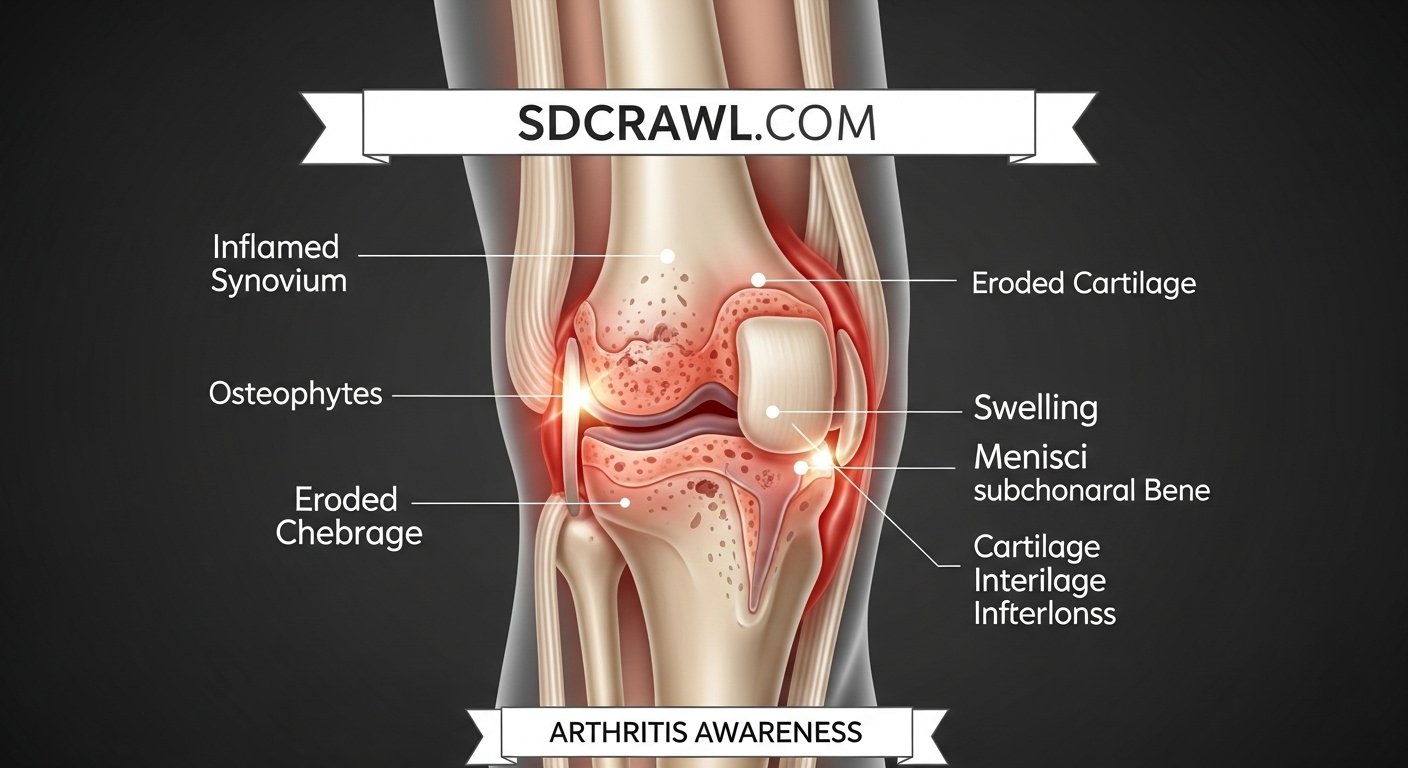
Athrit, more commonly known as arthritis, is one of the most widespread health conditions affecting millions of people worldwide. It causes pain in the joints and the tissues surrounding them, making everyday tasks difficult and uncomfortable. Many people think that athrit only affects older adults, but it can occur at any age, including in children and young adults.
Athrit is not a single disease but a term used to describe more than 100 different joint-related conditions. These conditions vary in severity, symptoms, and causes. Some people experience mild joint discomfort, while others suffer from severe pain, swelling, and reduced mobility. Understanding athrit is important because early diagnosis and treatment can help manage symptoms and improve quality of life.
This article provides a comprehensive guide to athrit awareness, including symptoms, types, causes, risk factors, diagnosis methods, treatments, and prevention strategies.
What Is Athrit (Arthritis)?
Athrit refers to inflammation of one or more joints in the body. Joints are the places where two bones meet, allowing movement such as bending, turning, and stretching. When joints become inflamed, they may swell, become stiff, and cause pain.
The most common symptom of athrit is joint pain, but other symptoms such as redness, swelling, and limited movement can also occur. Athrit can affect any joint in the body, including knees, hips, hands, shoulders, and spine.
Some forms of athrit develop slowly over time, while others appear suddenly. The condition can be temporary or chronic, depending on the type and severity.
Common Types of Athrit
There are many different types of athrit, but some are more common than others.
1. Osteoarthritis
Osteoarthritis is the most common type of athrit. It occurs when the protective cartilage that cushions the ends of bones gradually wears down. Without this cushioning, bones rub against each other, causing pain and stiffness.
This type of athrit usually affects older adults and commonly occurs in the knees, hips, hands, and spine.
2. Rheumatoid Arthritis
Rheumatoid arthritis is an autoimmune disorder. In this condition, the immune system mistakenly attacks the joints, causing inflammation and swelling. Over time, it can damage joint tissues and bones.
Rheumatoid arthritis often affects both sides of the body, such as both hands or both knees.
3. Psoriatic Arthritis
Psoriatic arthritis occurs in some people who have psoriasis, a skin condition that causes red, scaly patches. This type of athrit affects both the skin and joints.
4. Gout
Gout is a type of athrit caused by the buildup of uric acid crystals in the joints. It usually affects the big toe but can also occur in other joints.
Gout attacks often happen suddenly and can cause severe pain and swelling.
5. Juvenile Arthritis
Juvenile arthritis affects children under the age of 16. Although less common, it can cause joint damage and affect growth if not treated properly.
Symptoms of Athrit
Symptoms of athrit vary depending on the type, but common signs include:
- Joint pain
- Swelling in joints
- Stiffness, especially in the morning
- Reduced range of motion
- Redness around joints
- Warmth in affected areas
- Weakness in muscles
- Fatigue
- Difficulty walking or moving
Some people experience mild symptoms that come and go, while others suffer from constant pain that worsens over time.
Early detection of symptoms is important because treatment can slow disease progression.
Causes of Athrit
Athrit can develop due to several reasons. The causes differ depending on the type of athrit.
1. Wear and Tear
Osteoarthritis occurs due to the gradual breakdown of cartilage caused by aging and repeated stress on joints.
2. Immune System Problems
In autoimmune types such as rheumatoid arthritis, the immune system attacks healthy joint tissues.
3. Injury
Past joint injuries, fractures, or accidents can increase the risk of developing athrit later in life.
4. Infection
Certain infections can trigger joint inflammation, leading to athrit.
5. Metabolic Problems
Conditions like gout occur when uric acid levels become too high in the body.
Risk Factors for Athrit
Several factors increase the likelihood of developing athrit.
Age
Older adults are more likely to develop osteoarthritis due to natural wear and tear of joints.
Gender
Women are more likely to develop rheumatoid arthritis, while men are more prone to gout.
Genetics
Family history plays a role. If close relatives have athrit, the chances of developing it increase.
Obesity
Excess body weight puts pressure on joints, especially the knees and hips.
Lifestyle Habits
Smoking, lack of exercise, and unhealthy diet can increase risk.
Occupation
Jobs that involve repetitive movements or heavy lifting may lead to joint stress.
How Athrit Is Diagnosed
Diagnosing athrit involves several steps. Doctors use medical history, physical examination, and diagnostic tests.
Physical Examination
Doctors check joints for swelling, redness, and range of motion.
Imaging Tests
X-rays, MRI scans, and ultrasound help detect joint damage and inflammation.
Blood Tests
Blood tests help identify autoimmune disorders and inflammation levels.
Joint Fluid Analysis
Doctors may take a sample of joint fluid to detect infection or gout.
Early diagnosis allows better management of symptoms and prevents severe damage.
Treatment Options for Athrit
Although there is no permanent cure for many types of athrit, treatments help reduce pain and improve joint function.
1. Medications
Doctors prescribe medications based on the type and severity of athrit.
Common medicines include:
- Pain relievers
- Anti-inflammatory drugs
- Corticosteroids
- Disease-modifying drugs
- Uric acid-lowering drugs for gout
These medicines help control symptoms and slow disease progression.
2. Physical Therapy
Physical therapy helps strengthen muscles and improve joint movement. Therapists teach exercises that reduce stiffness and increase flexibility.
3. Lifestyle Changes
Healthy lifestyle habits can reduce symptoms.
Examples include:
- Maintaining healthy weight
- Regular exercise
- Balanced diet
- Avoiding smoking
- Managing stress
4. Assistive Devices
Devices such as braces, walking sticks, and orthotic supports help reduce pressure on joints.
5. Surgery
In severe cases, surgery may be required. Common procedures include:
- Joint repair
- Joint replacement
- Joint fusion
Joint replacement surgery is common for hips and knees damaged by severe osteoarthritis.
Home Remedies and Self-Care Tips
Many people manage athrit symptoms at home using simple techniques.
Hot and Cold Therapy
Applying heat reduces stiffness, while cold packs reduce swelling and pain.
Regular Exercise
Low-impact exercises such as walking, swimming, and cycling help maintain joint flexibility.
Healthy Diet
Eating nutritious foods helps reduce inflammation.
Recommended foods include:
- Fruits and vegetables
- Whole grains
- Fish rich in omega-3 fatty acids
- Nuts and seeds
Avoid processed foods, sugary drinks, and excessive salt.
Weight Management
Maintaining a healthy weight reduces stress on joints.
Rest and Relaxation
Adequate sleep helps the body repair tissues and manage pain.
Prevention of Athrit
While not all types of athrit can be prevented, certain steps reduce risk.
Stay Active
Regular physical activity strengthens muscles and supports joints.
Protect Joints
Use proper techniques when lifting heavy objects.
Eat Healthy
Balanced diet supports bone and joint health.
Avoid Injuries
Wear protective gear during sports and physical activities.
Maintain Healthy Weight
Reducing excess weight lowers risk of osteoarthritis.
Complications of Untreated Athrit
If left untreated, athrit can lead to serious complications.
These include:
- Permanent joint damage
- Loss of mobility
- Chronic pain
- Disability
- Reduced quality of life
- Depression due to long-term pain
Seeking medical help early prevents these complications.
Living with Athrit
Living with athrit can be challenging, but many people lead active and fulfilling lives with proper management.
Support from family, healthcare professionals, and support groups plays an important role.
People with athrit should:
- Follow prescribed treatments
- Stay physically active
- Monitor symptoms
- Attend regular medical checkups
Learning about the condition empowers individuals to take control of their health.
When to See a Doctor
Medical attention is necessary if you experience:
- Persistent joint pain
- Swelling lasting more than a few days
- Difficulty moving joints
- Sudden severe joint pain
- Joint redness or warmth
- Fever along with joint pain
Early treatment reduces the risk of permanent joint damage.
The Importance of Athrit Awareness
Raising awareness about athrit is essential because many people ignore early symptoms. Education helps individuals recognize warning signs and seek timely treatment.
Public awareness campaigns encourage healthy lifestyles, early diagnosis, and proper treatment. These efforts improve overall health outcomes and reduce disability caused by athrit.
Understanding athrit also reduces stigma and supports those living with chronic joint pain.
Conclusion
Athrit is a common yet serious condition that affects joints and overall quality of life. Although it can cause pain, stiffness, and reduced mobility, early diagnosis and proper treatment help manage symptoms effectively.
Understanding the types, causes, symptoms, and treatments of athrit empowers individuals to take preventive steps and seek timely medical care. Lifestyle changes, regular exercise, healthy eating, and medical support all play vital roles in managing the condition.
With increased awareness and proper care, people living with athrit can maintain independence, stay active, and enjoy a better quality of life. Athrit awareness is not only about understanding joint pain but also about taking proactive steps toward healthier living.